IFIF Logo

Download Executive Summary

"

Menu

a

EnerGY

The global feed industry relies on energy for transport, feed milling, drying, pelleting, and other intensive processes. There are energy costs and even availability concerns, as competition from other users, like data centres, is putting pressure on aging grids.

Feed industry investment in renewable energy, modern energy infrastructure, and efficiency upgrades have some of the clearest return on investment (ROI) in terms of cost cutting and resiliency.

Renewable energy can also support wider community health and access to feed products.
At the same time, reducing fossil fuel dependence substantially reduces water use, pollution, and emissions. This is a win-win-win opportunity. One that's ready for more scale.

"
System Map

Energy Infrastructure:
Powering the Future
#

Previous

Next

$

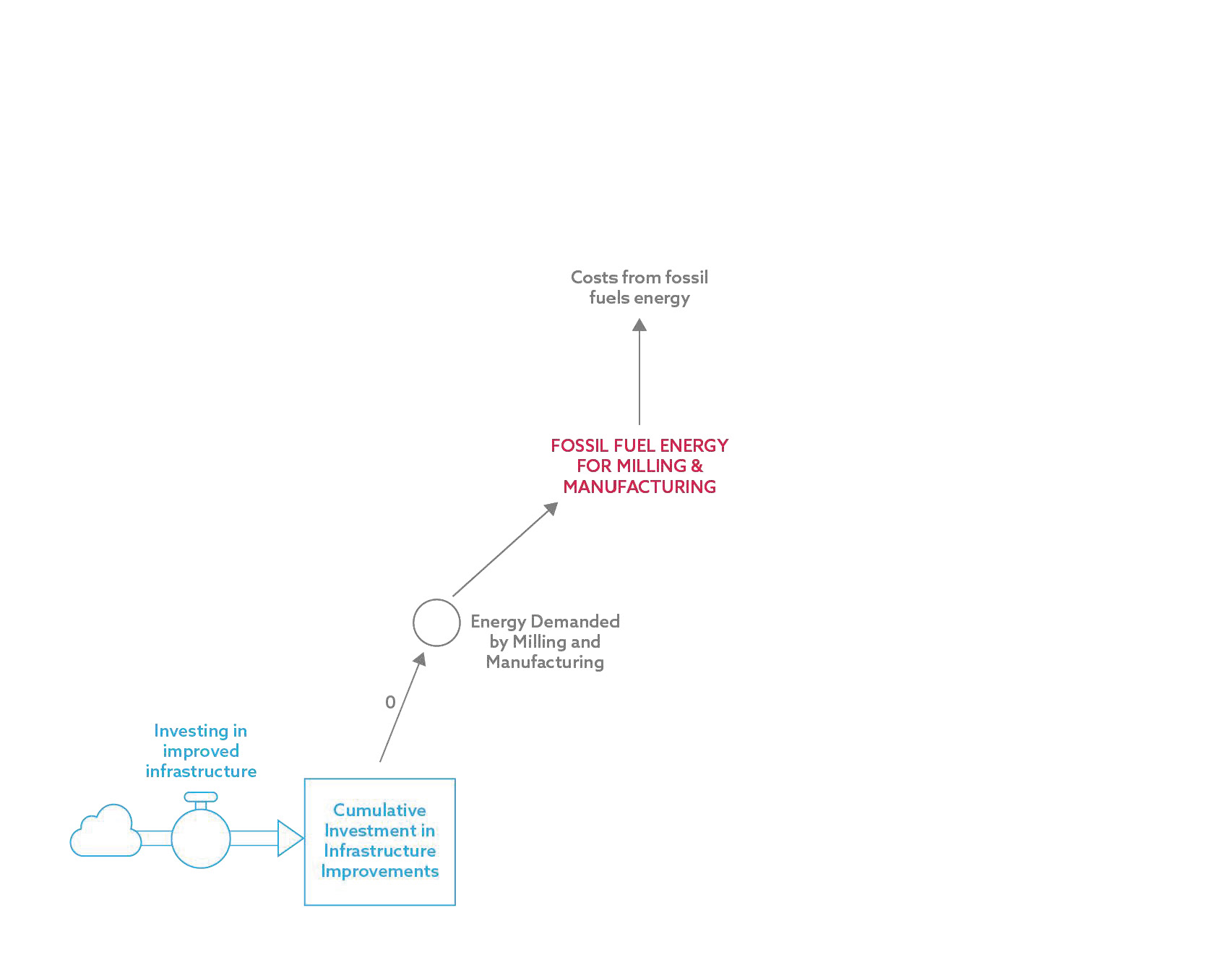
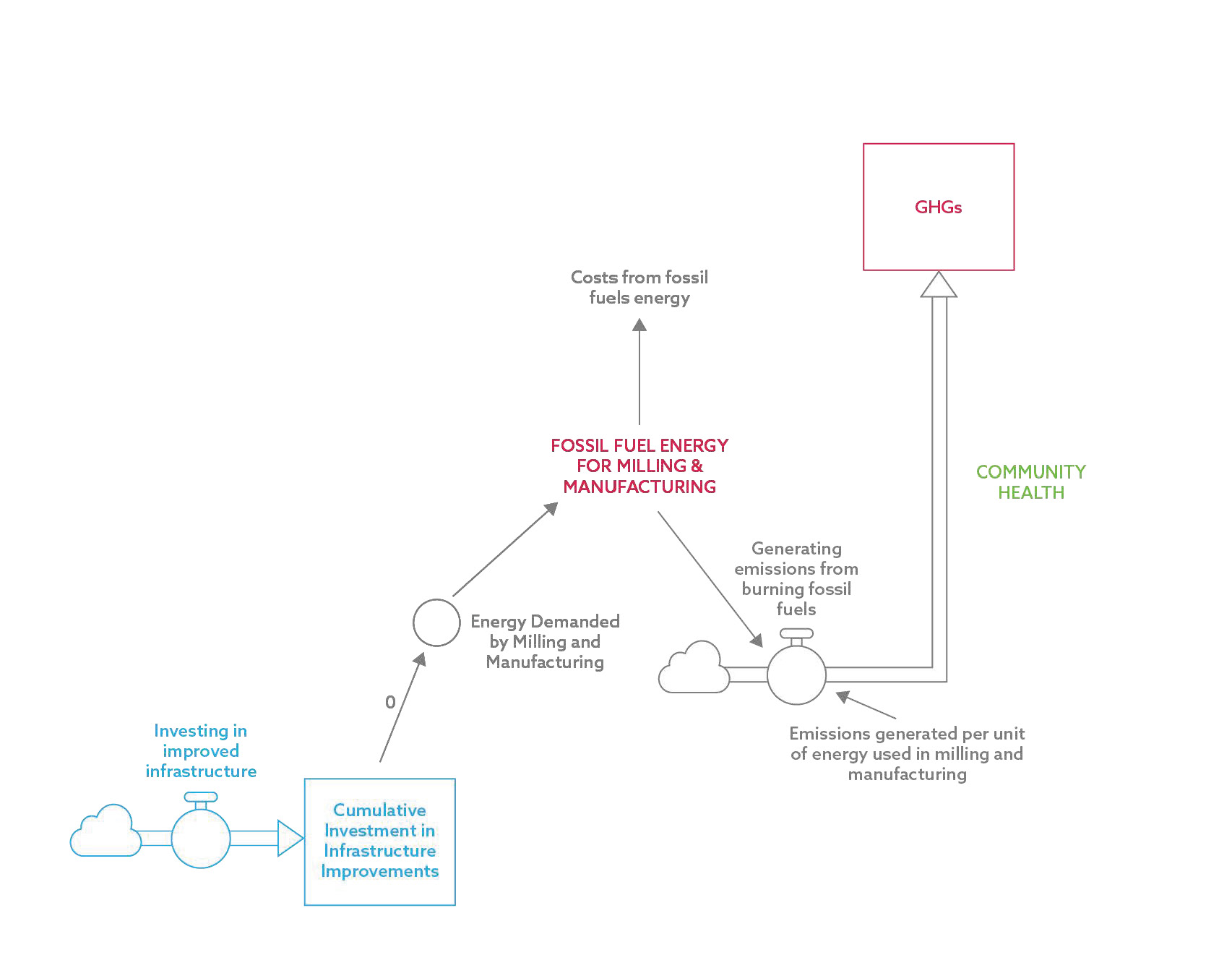
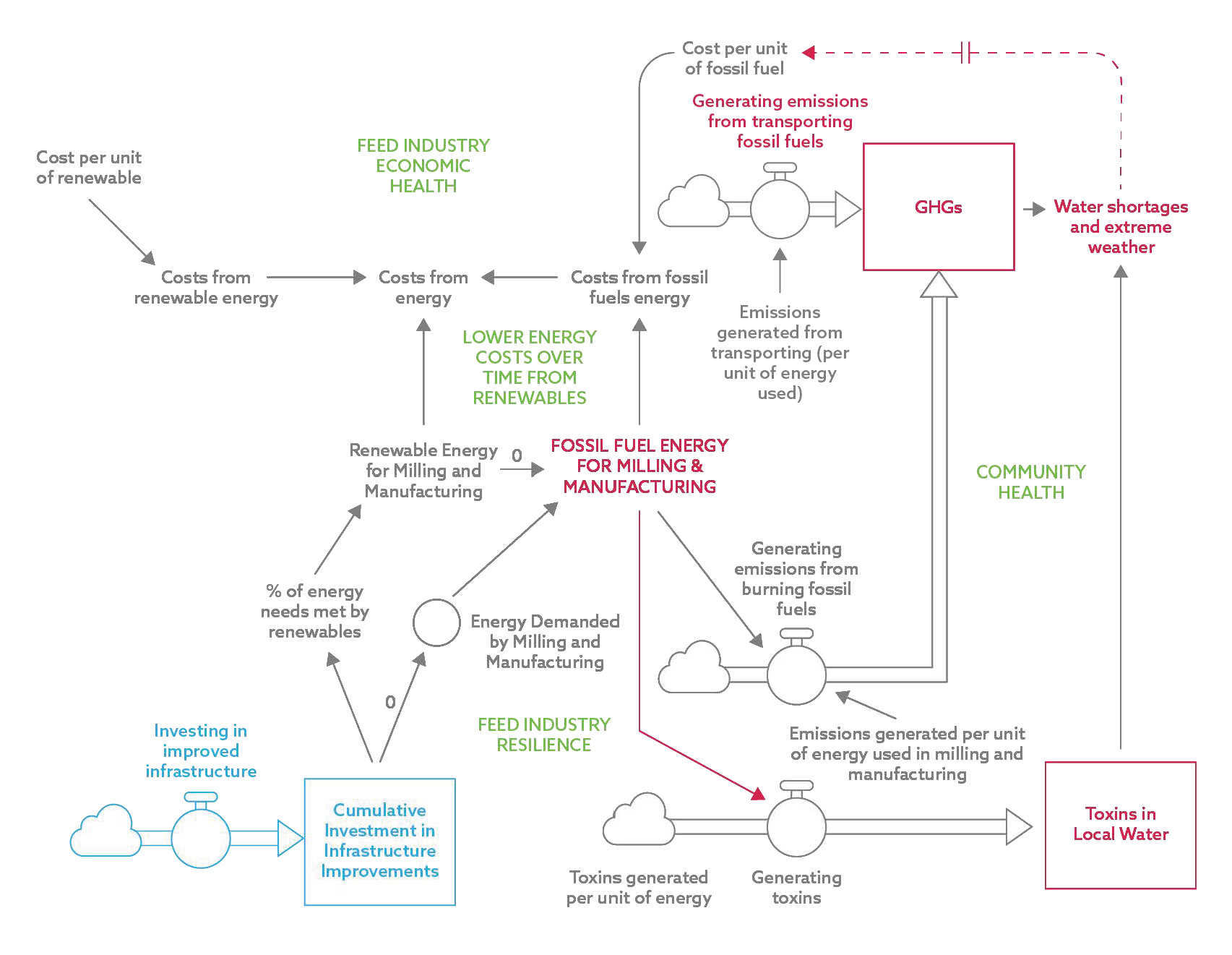
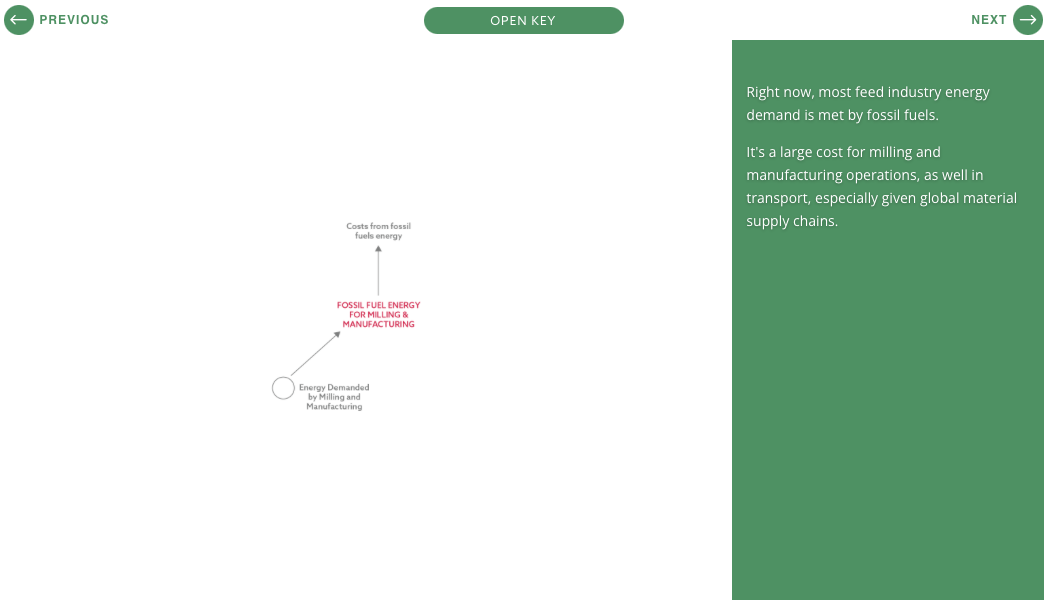
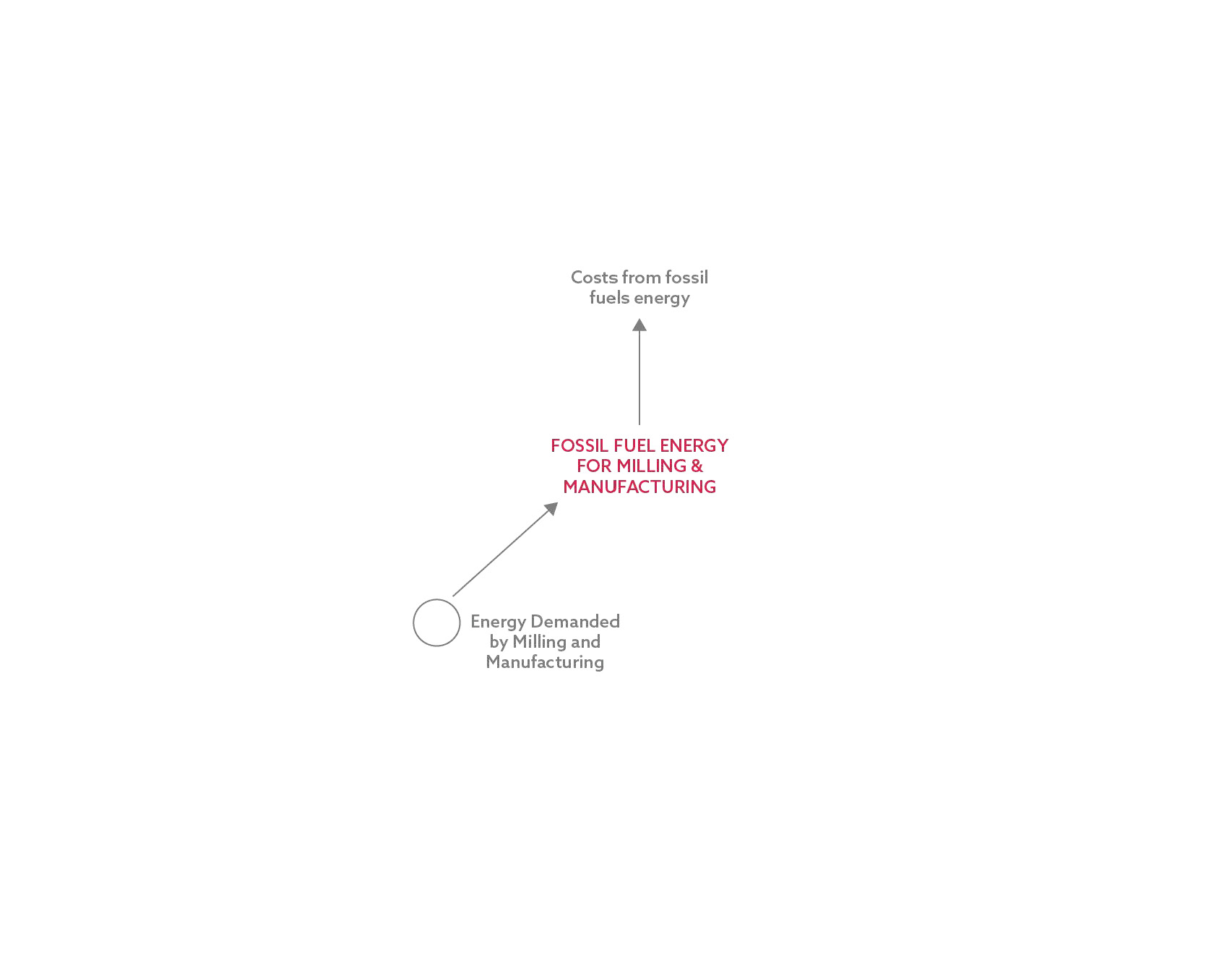
Right now, most feed industry energy demand is met by fossil fuels.

It's a large cost for milling and manufacturing operations, as well in transport, especially given global material supply chains.

Enhancing efficiencies, for example, raising boiler feedwater temperatures, dryer optimisation, and improving insulation, steam traps and moisture control, are key best practices.

It immediately cuts costs, fuel consumption and GHG emissions without needing to invest in changing the primary energy source.

For example, a Trouw Nutrition North America team recognised that nearly 100% of natural gas use was for boiler steam production. They embarked on a boiler-efficiency program (including deaerators and burner optimisation) across multiple plants, immediately reducing energy use, costs and CO₂ emissions.

Meanwhile, their new feed mill in Chilliwack, British Columbia, was designed for ~20% lower boiler energy consumption than the previous facility.

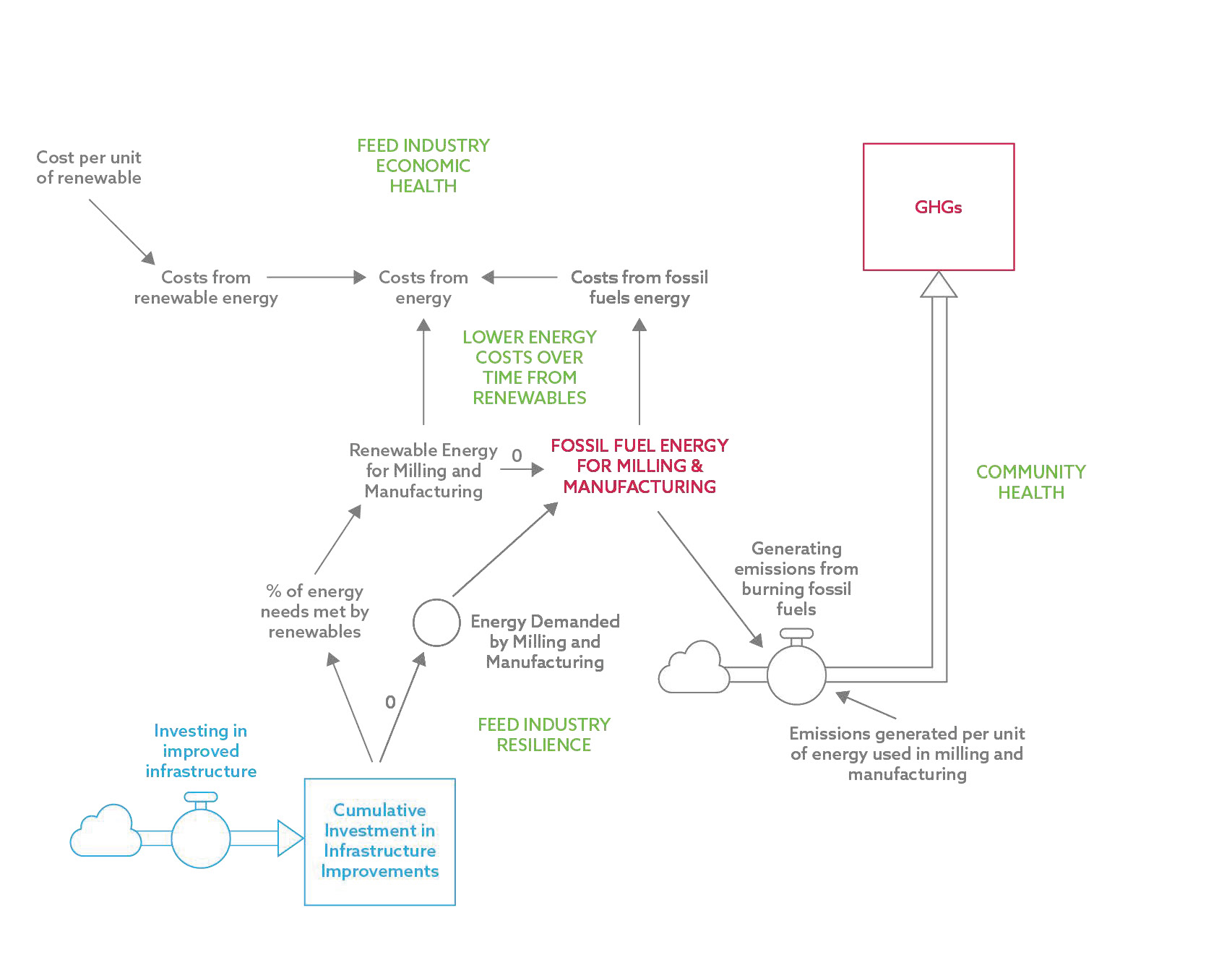
Investment costs vary, but because fuel efficiency gains immediately translate into energy cost reductions, they can often have strong ROIs.

Another intervention is modernisation of energy-intensive infrastructure by replacing fossil fuel-based processes with heat-reuse, electrified solutions, optimising heat recovery, and providing cleaner power to operations. This can cut costs and carbon emissions.

Critically, many companies stop at converting to natural gas, but when we go a step further the cost cutting and environmental benefits are dramatic.

An example is a feed manufacturing factory in Norway, where the company installed an electric counter-flow dryer, which enabled a 75% reduction in energy consumption (≈ 15,000 MWh/year) and eliminated around 3,000 tons of CO₂ per year from the drying process alone.

The switch from natural gas to electric heat pumps + heat-recovery system makes the facility among the world’s first zero-emission feed-drying plants.

Transitioning to solar and other renewable sources to supply the feed industry’s energy needs creates long-term resilience through local, clean energy production.

A compelling example is Solla S.A. in Colombia, which manufactures and markets soy-based products for vulnerable communities via an initiative called 'Nourishing Dreams with Soy'.

The company works with 4 solar-farms, reducing ~1,300 tons of CO₂ emissions annually.

More broadly, the Colombian solar energy sector is growing rapidly, solar farms and utility-scale solar systems are being developed across the country.

Although upfront costs can be higher than efficiency efforts, ROIs on lower energy costs over time can be realised globally.

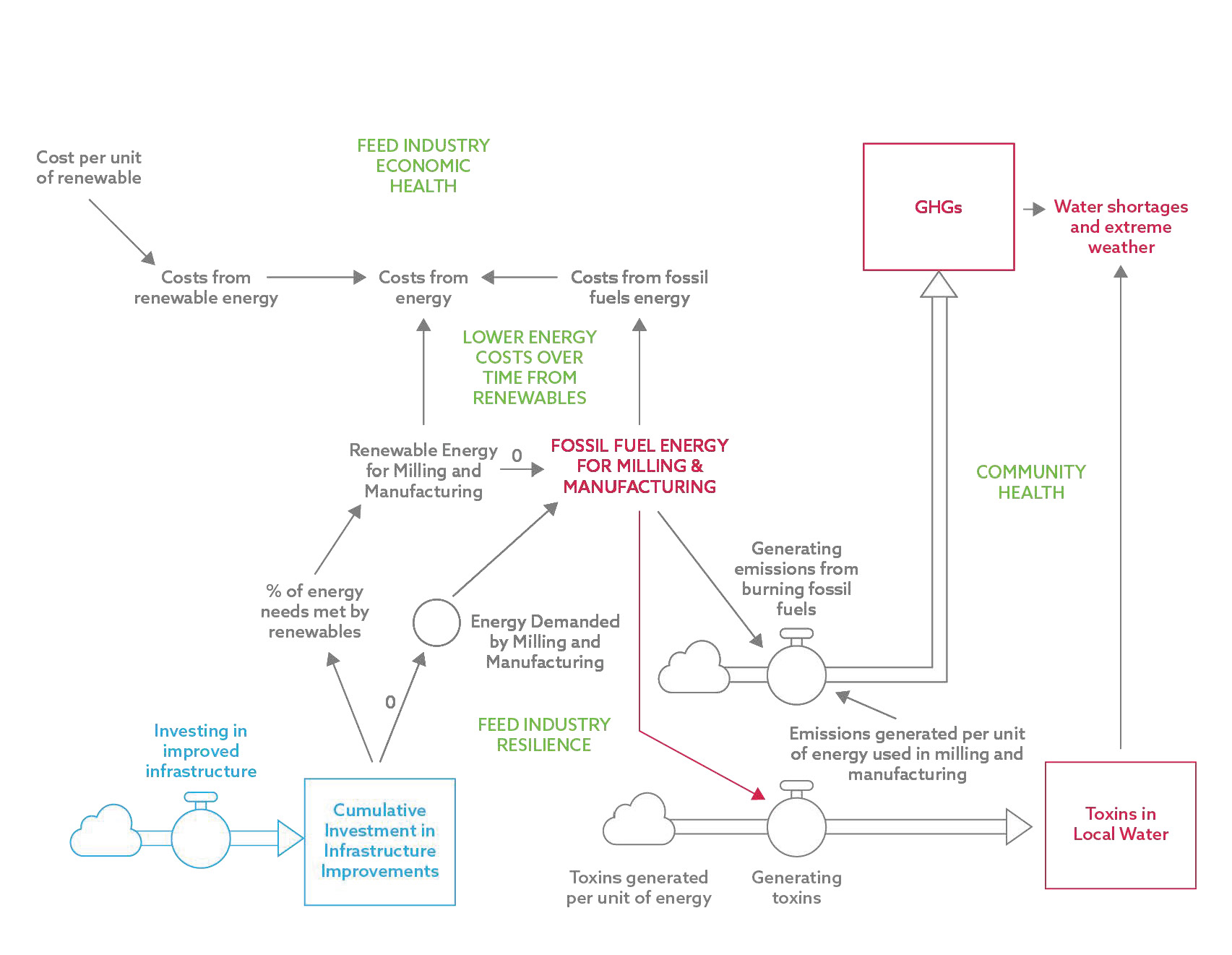
Renewable energy isn't just about direct cost cuts or emissions reductions. Usable water availability was the primary concern globally expressed in IFIF's 2025 survey.

Fossil fuels are a primary source of toxic water pollution and ground water draining.

At the same time, they are driving extreme weather events including drought and high heat hurting crops and animals, and increasing pests and diseases.

Extreme weather is also disrupting the global trade flows the feed industry relies on.

Finally, we see a classic vicious feedback loop: over time, we are seeing that fossil fuels destroying clean water resources and eventually a functioning climate will increase the cost of fossil fuel production, and thus feed industry energy costs.

Transitioning to clean energy now, while an investment, is a smart one in the medium and long-term.

Companies like Solla investing in clean energy show us an alternative, brighter future.

They are reducing their energy costs, creating local supply and lower carbon footprints.

At the same time, they are creating ancillary community and income-generation benefits including employment in manufacturing of soy-based products, driving regional soy/soy by-product demand, and providing local feed access.

Opportunities also exist to improve transport emissions, for example, more localised supply chains which are also less susceptible to geopolitical fluctuations.