
Circularity
Trash or Unrealised Profits?
The feed industry is innately circular in many ways: whether upcycling from Brewer's spent grains to consumer waste as pig feed in East Asia. But there's another level that's full of opportunity and return on investment: taking steps to function more like a natural ecosystem, where nothing is wasted, and every output becomes an input, true efficiency.
Confronting trade tensions, rising costs, customer expectations, resource scarcity, and regulations requires a next level of analysis and action. Today, if you know of any major waste stream it's worth asking "What are the molecules in this ‘waste’, and where could they be useful?"

Now whey protein is a $11 billion dollar market with a 7-10% compound growth rate.
DAIRY WHEY
Think of dairy whey. Just a few decades ago farmers would pour it down the road. They couldn't see any use for whey. Now whey protein is a $11 billion dollar market with a 7-10% compound growth rate.
Key areas for circular exploration are how fermentation, enzymatic hydrolysis, pyrolysis and other bioprocessing methods can make useful industrial by-products, emissions, and processing residues.
Circularity in-action is already reshaping how ingredients, nutrients, and resources flow through the system - but there are also big untapped opportunities. Initiative, innovation and scale are key.
Click here to visit FAO's LEAP program for more circular case study examples.
repurposing human food by-products
One of the most effective ways to make feed more circular is by repurposing human food by-products (bakery goods, starch residues, confectionery waste, vegetable trimmings) that would otherwise be wasted.
These materials still hold high nutritional value. A leading example is Nijsen Company in the Netherlands, which converts 100,000+ tons of food-industry by-products each year into high-grade feed for pigs and poultry.
Their 'Food for Feed for Food' model closes the loop between food production and animal nutrition, shortening supply chains and cutting feed-related CO₂ emissions by up to 50%. Similar models are already emerging in countries with strict food-quality or aesthetic standards.
The FAO estimates that one-third of all food produced, about 1.3 billion tons annually, is lost or wasted. It also estimates that approximately 20% of food wasted during processing is suitable for use as feed when managed safely.
approximately 20% of food wasted during processing is suitable for use as feed.
Circular systems redefine efficiency
Circularity at scale looks so good that entirely new business models are emerging that place circularity at the core of production.
The Dutch ZonVarken Cooperative (branded as 'Sun Pig') is one such model. Its pig farms use 100% residual and return streams from the human food chain, with no soymeal or grain explicitly cultivated for feed, producing pork through a fully circular feed system.
It not only closes feed loops but also acknowledges that animal welfare, biodiversity, land use, human nutrition, and farmer livelihoods are all part of the same circle. Pigs are raised in open, shaded environments, fed locally sourced by-products, and marketed under a premium circular meat label that emphasises environmental responsibility.
Globally, similar circular models are emerging: integrated fish–poultry–crop farms in Southeast Asia, insect-based waste valorisation systems in Europe, and feed mills co-located with food factories to capture and reuse process residues.
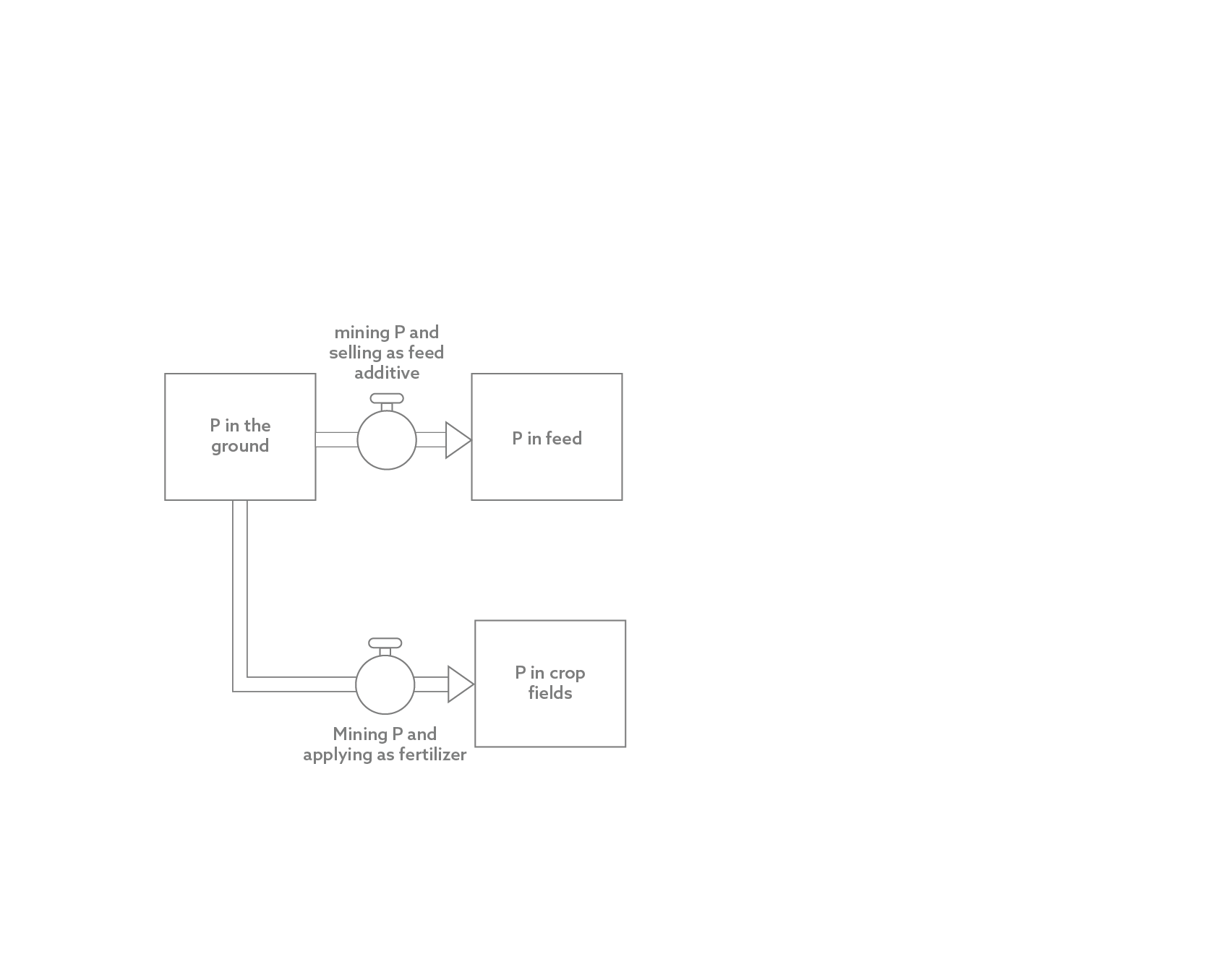
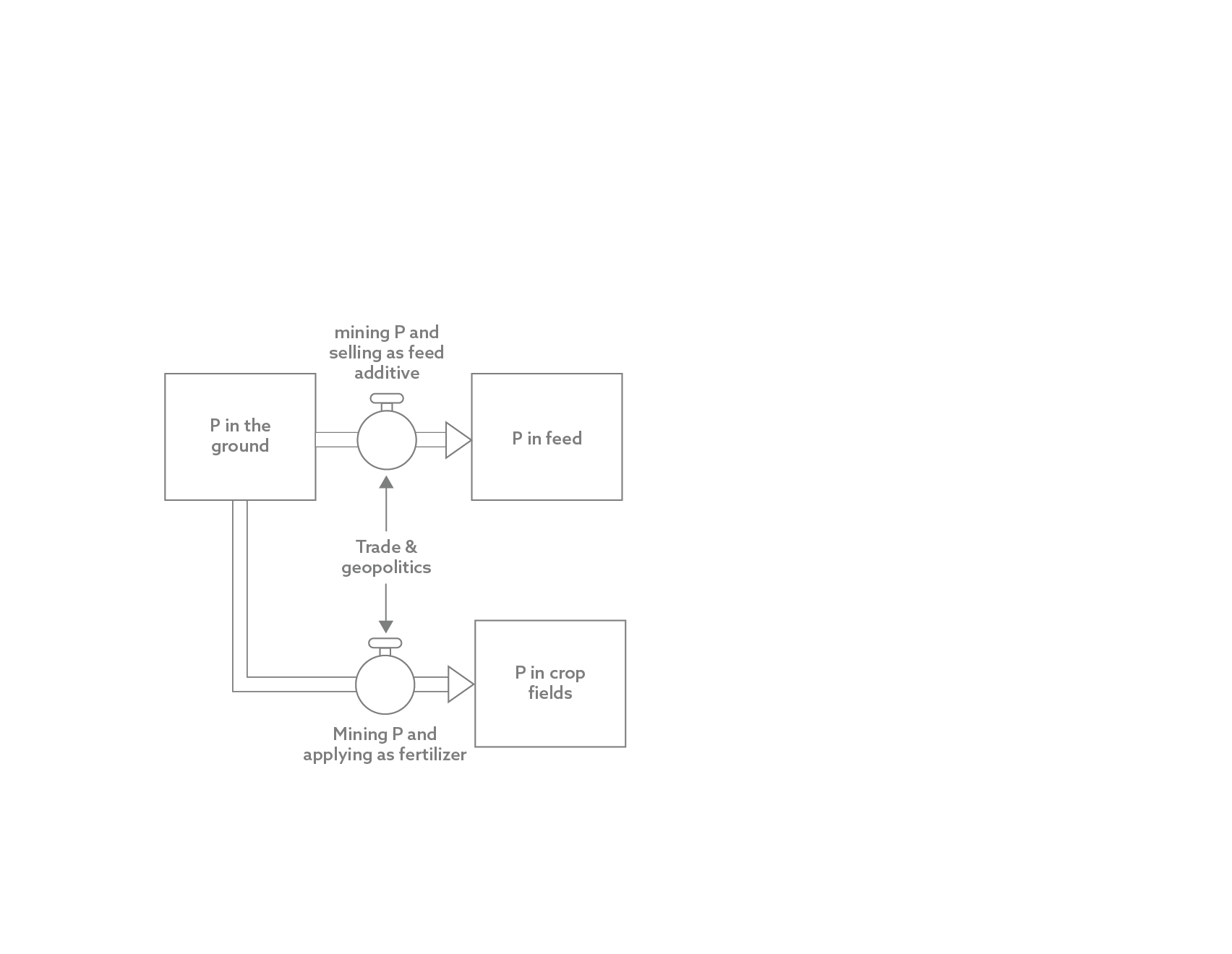
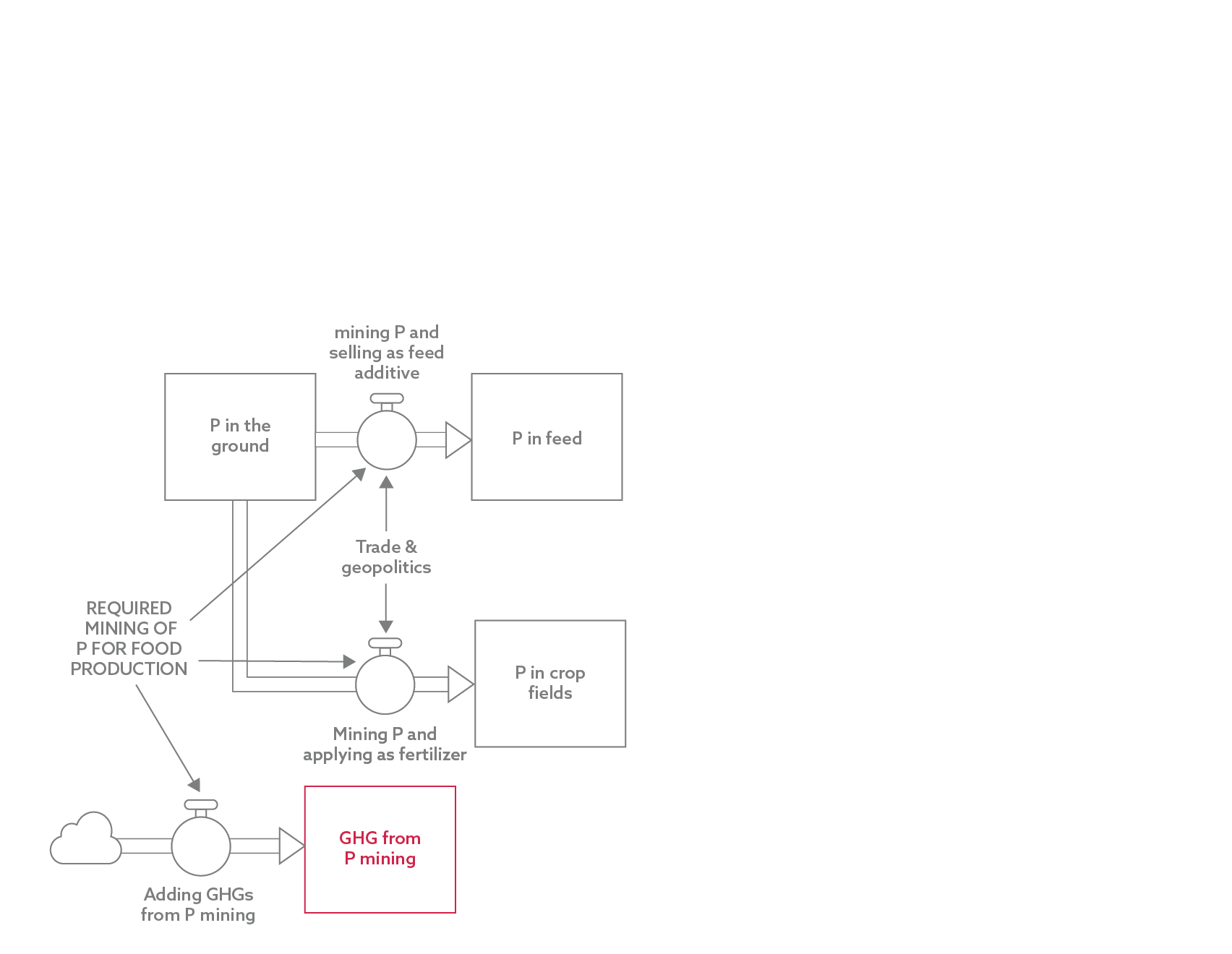
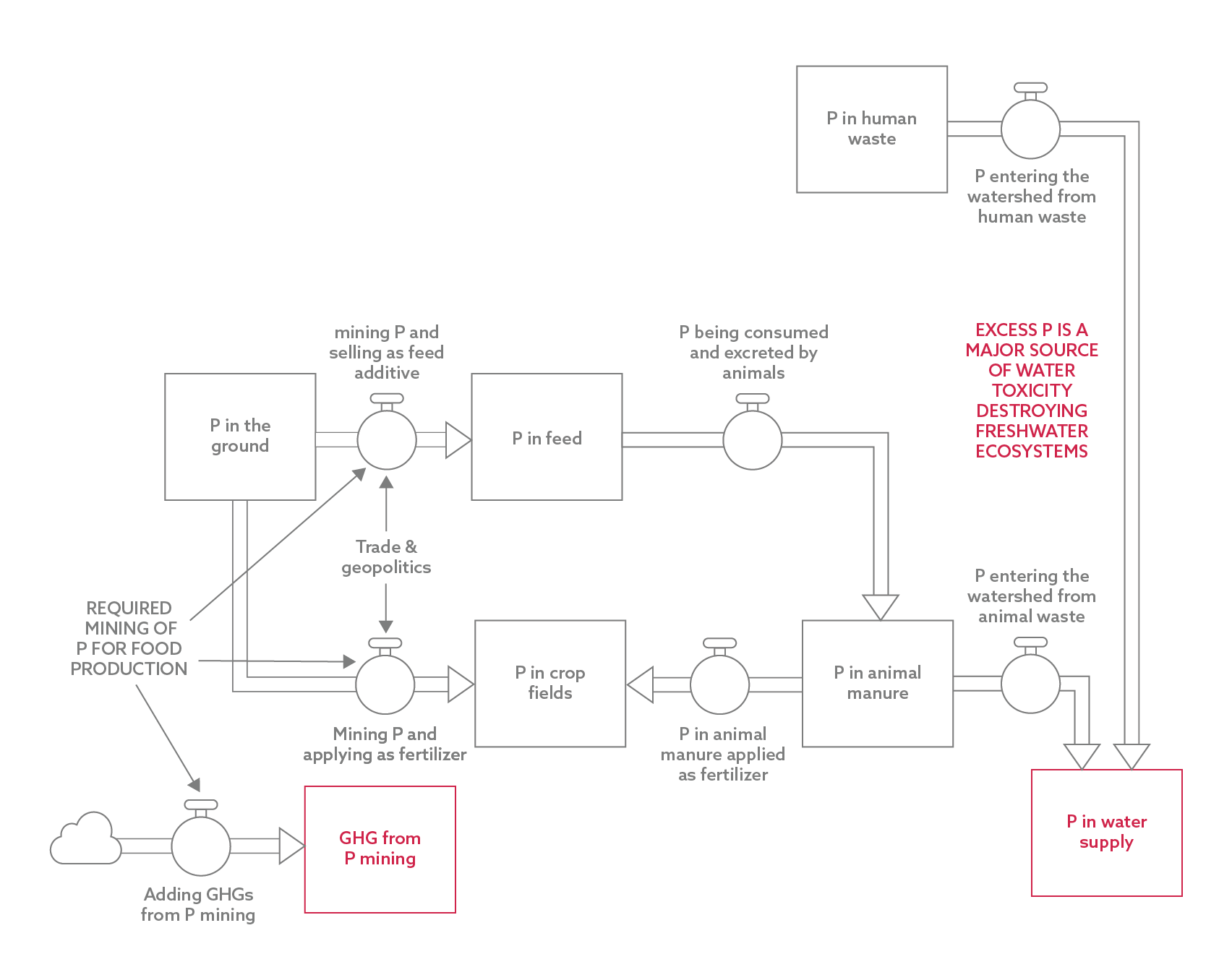
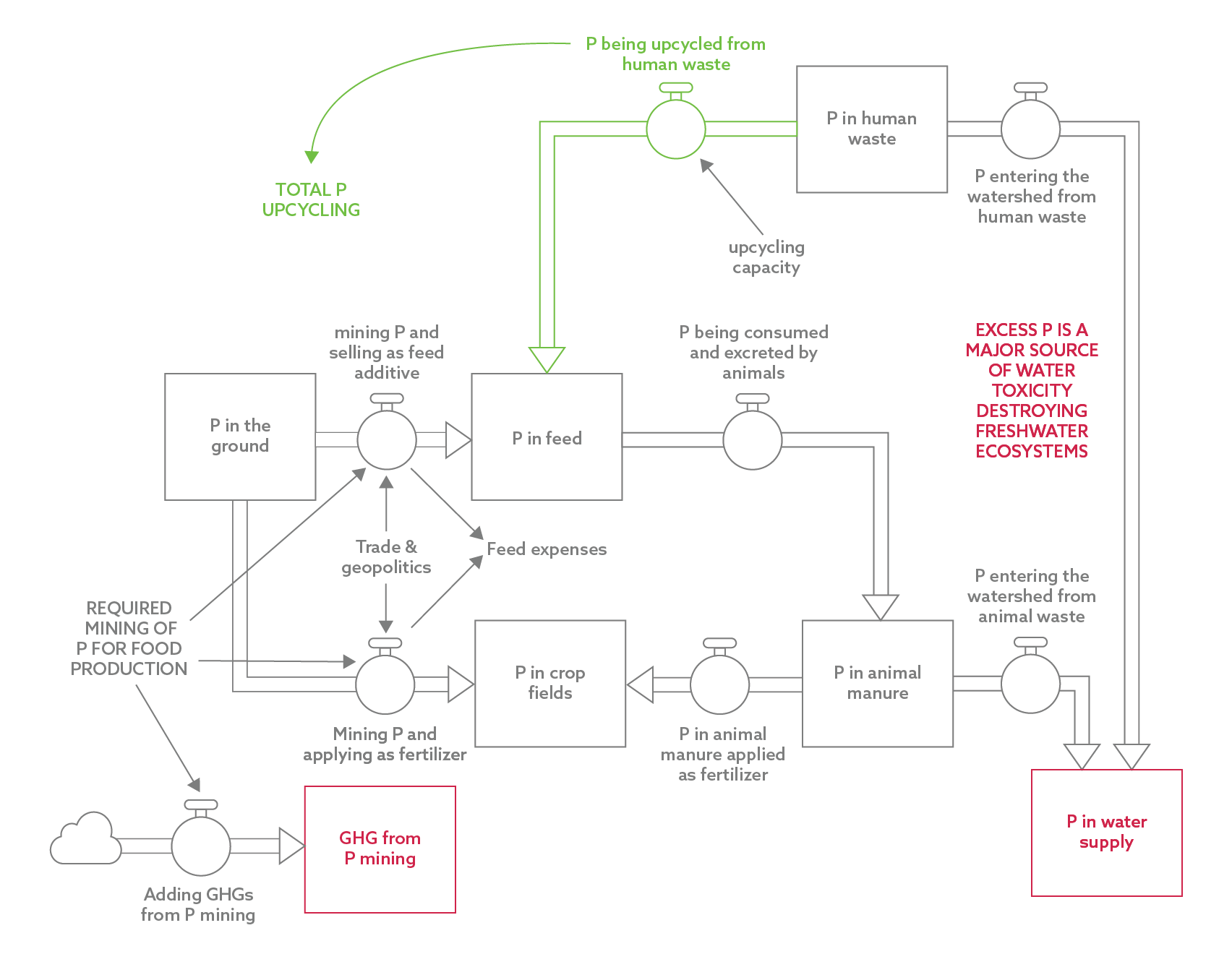
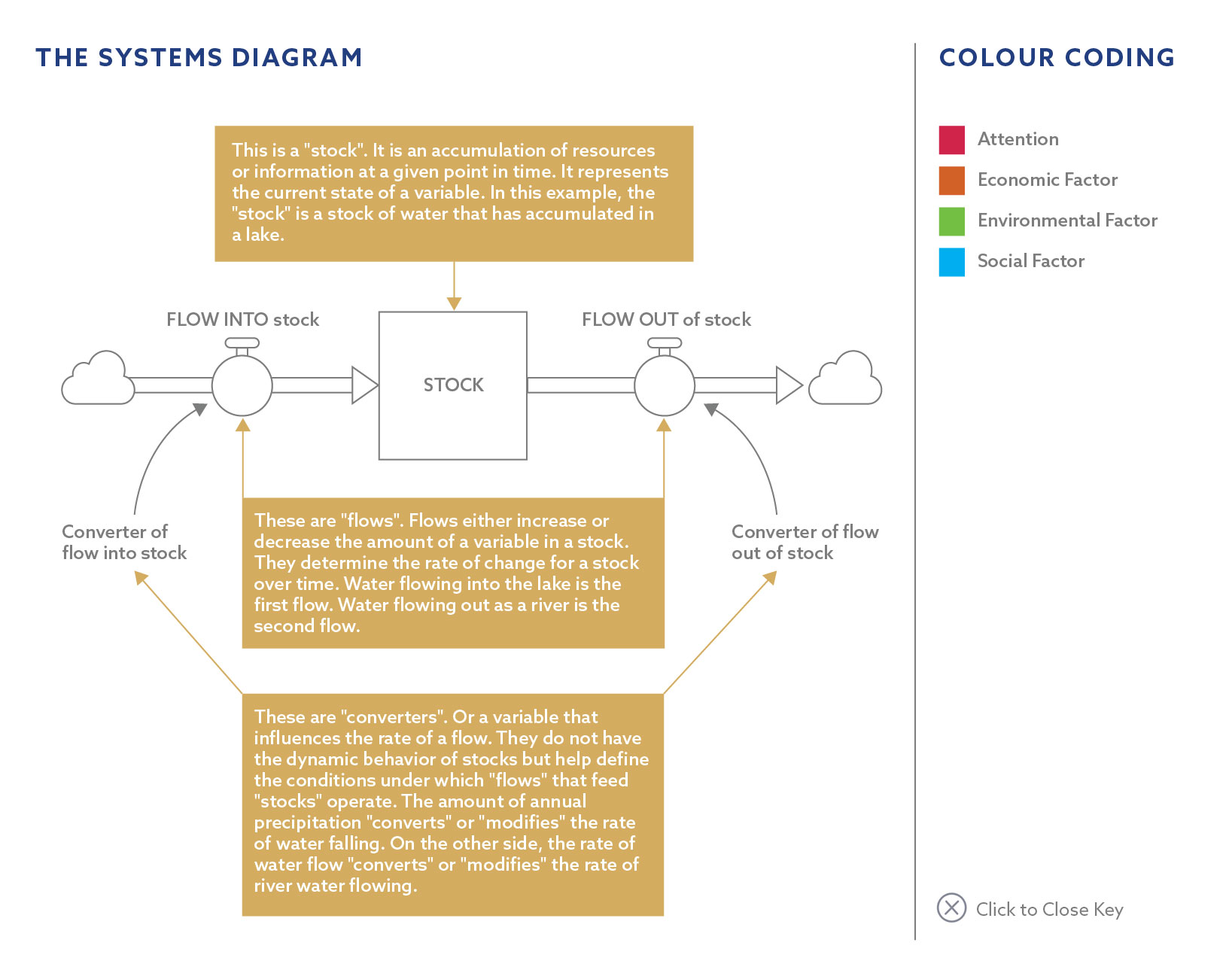
System Map
Circularity:
Unlocking True Efficiency
All Roads Lead Back to Circularity
Circularity is a strategic, pragmatic choice despite the complexity and investment required. It is an investment in resilience, cost stability, and reliable supply and food security.
As resource constraints intensify, the feed industry’s competitiveness will increasingly depend on how effectively it closes by-product and 'waste' loops while reducing exposure to volatile input markets.
Efficiency is important. However, efficiency alone has limits: highly efficient systems can accelerate overall resource depletion if growth continues to rely on finite inputs, increasing long-term cost, supply, and regulatory risk.
Circularity enables the industry to move beyond these limits by redesigning systems themselves. By keeping materials, nutrients, and energy in productive use for longer, circular models reduce dependence on virgin resources, stabilise supply chains, and decouples growth from resource extraction. This positions the feed industry for on-going value creation.
of IFIF 2025 stakeholder survey respondents perceive cost increases as the highest barrier to sustainability.
But the perception may be a higher barrier than actual costs. Especially when there’s so much upside potential.