
Feed Efficiency:
Doing more with less
The global feed industry, like all others, faces the inescapable reality of the pressure to continually grow businesses that depend on finite natural resources. Water, land, energy, and minerals are under increasing pressure. Pressure from trade volatility, policy and regulations, extreme weather, and supply disruptions.
These challenges affect the entire system, from crop production and feed milling to animal performance. It drives higher costs and risks, greater capital requirements, and increased energy use across the value chain.
of IFIF 2025 stakeholder survey respondents see cost increases as the highest barrier to sustainability
PRODUCING MORE ANIMAL PRODUCTS WITH FEWER INPUTS
Our industry’s primary approach to remaining resilient and sustainable has been through increasing resource use efficiency. Animal production system efficiency can, when well designed, also reduce waste, conserve resources, and lower emissions. All while delivering a strong business case.
Over the last twenty years, innovation across the feed value chain has delivered significant gains in the efficiency with which raw materials (including byproduct 'waste' from other industries) are converted into animal products and eventually human food.
Continue to explore how the feed industry is advancing resource use efficiency through:
- Precision feeding for better outcomes
- Using nutrition to reduce egg loss
- Methane reduction through nutrition
- Integrated farm management
PRECISION FEEDING FOR BETTER OUTCOMES
Precision feeding aligns nutrient delivery exactly with animal needs, day by day, or even hour by hour, throughout the animal's life. Through smart feed bins and automated delivery, for example, farms can reduce nutrient loss by 5–10% and cut transport-related emissions.
Studies have shown that precision feeding can reduce the carbon footprint of pig and poultry production by 10–15%, minimising overfeeding and nutrient losses. It also supports better animal health and welfare, as diets more closely match metabolic requirements.
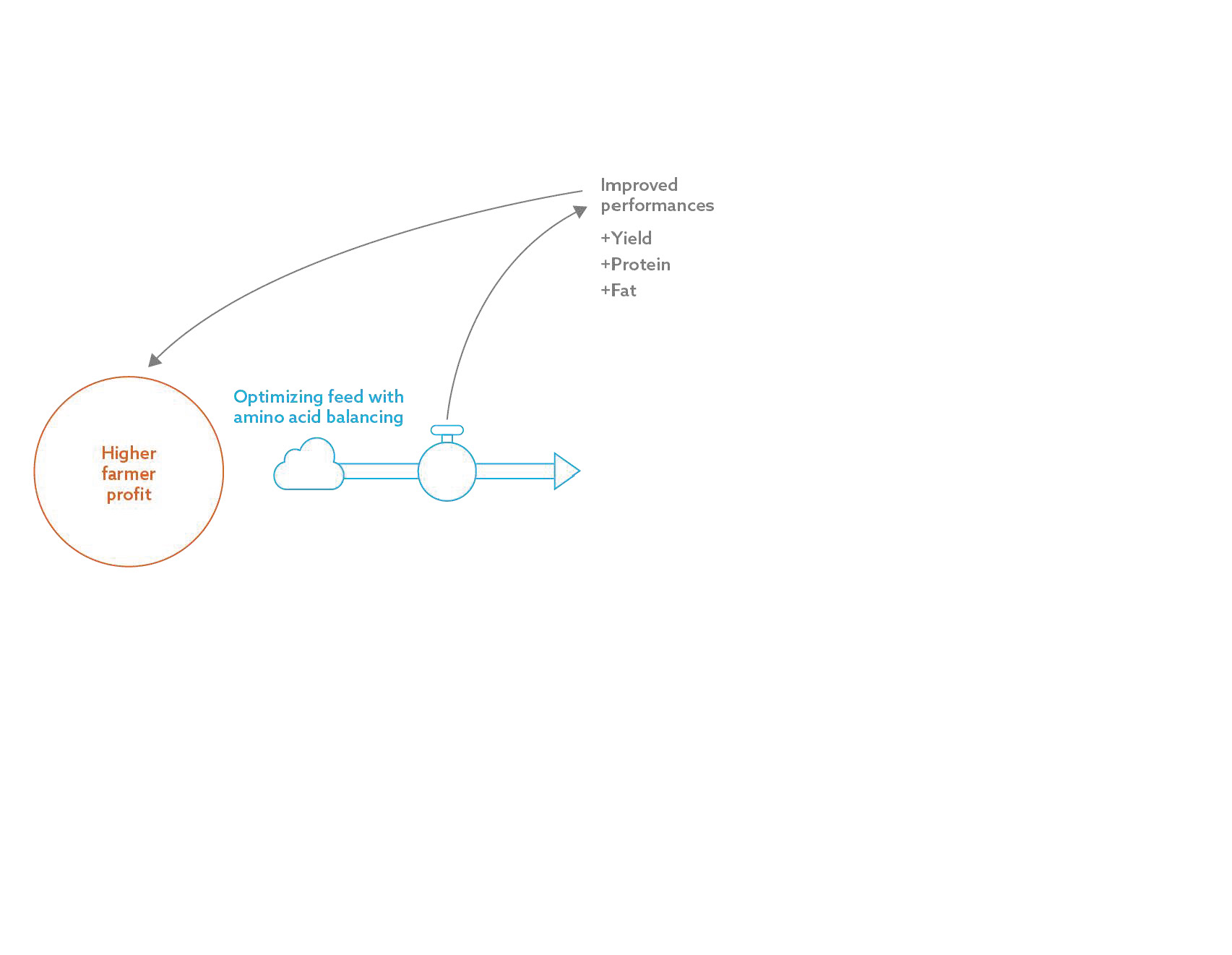
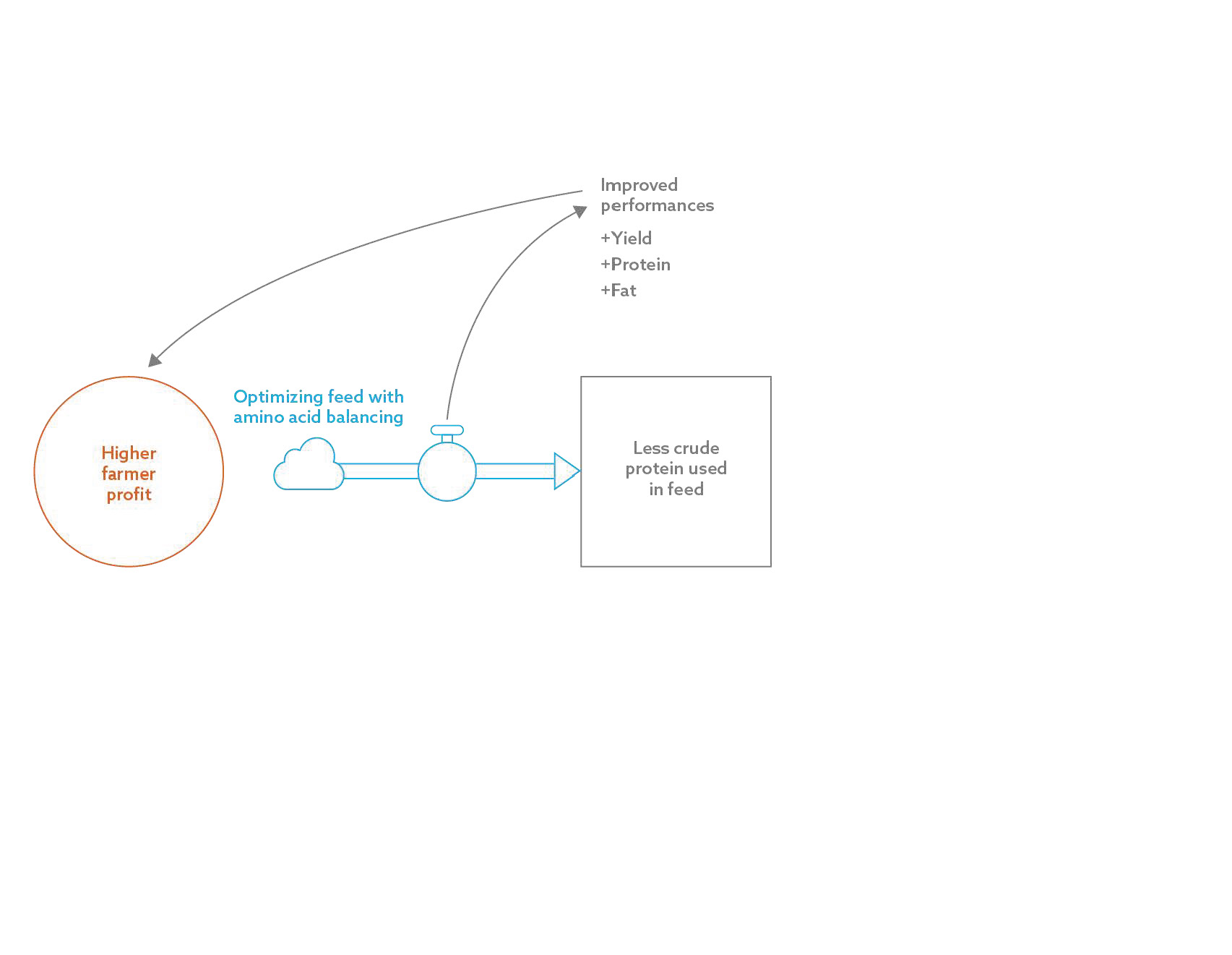
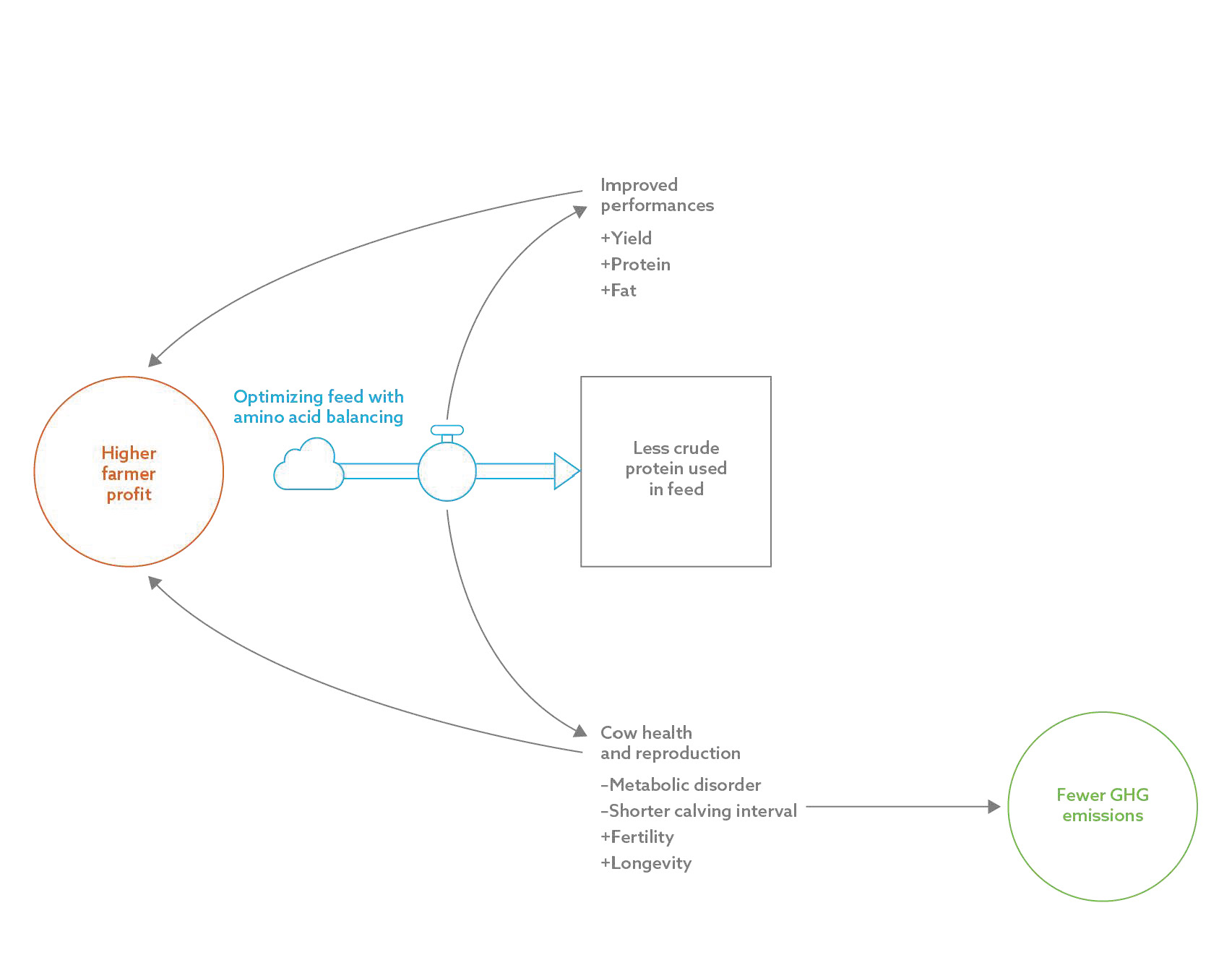
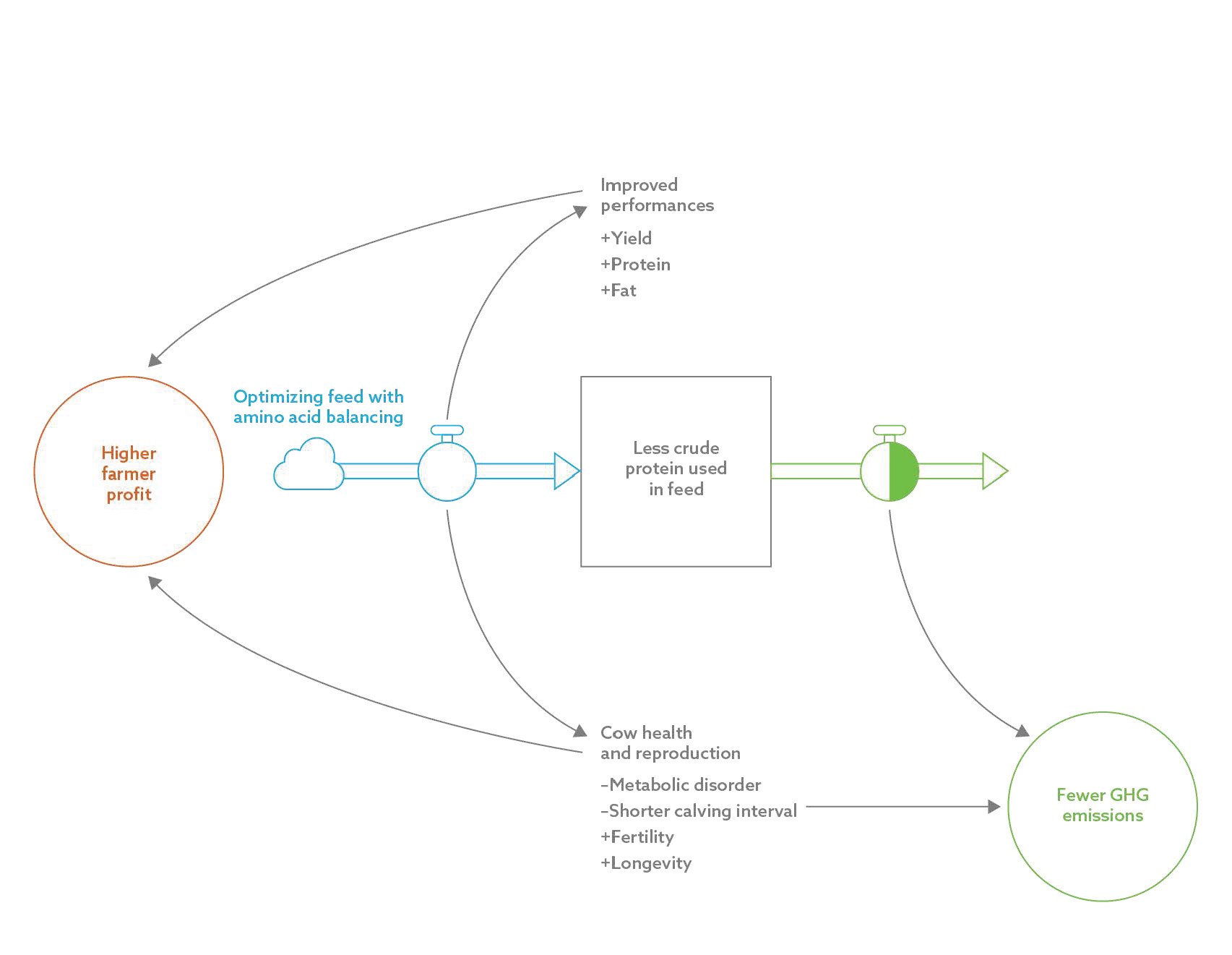
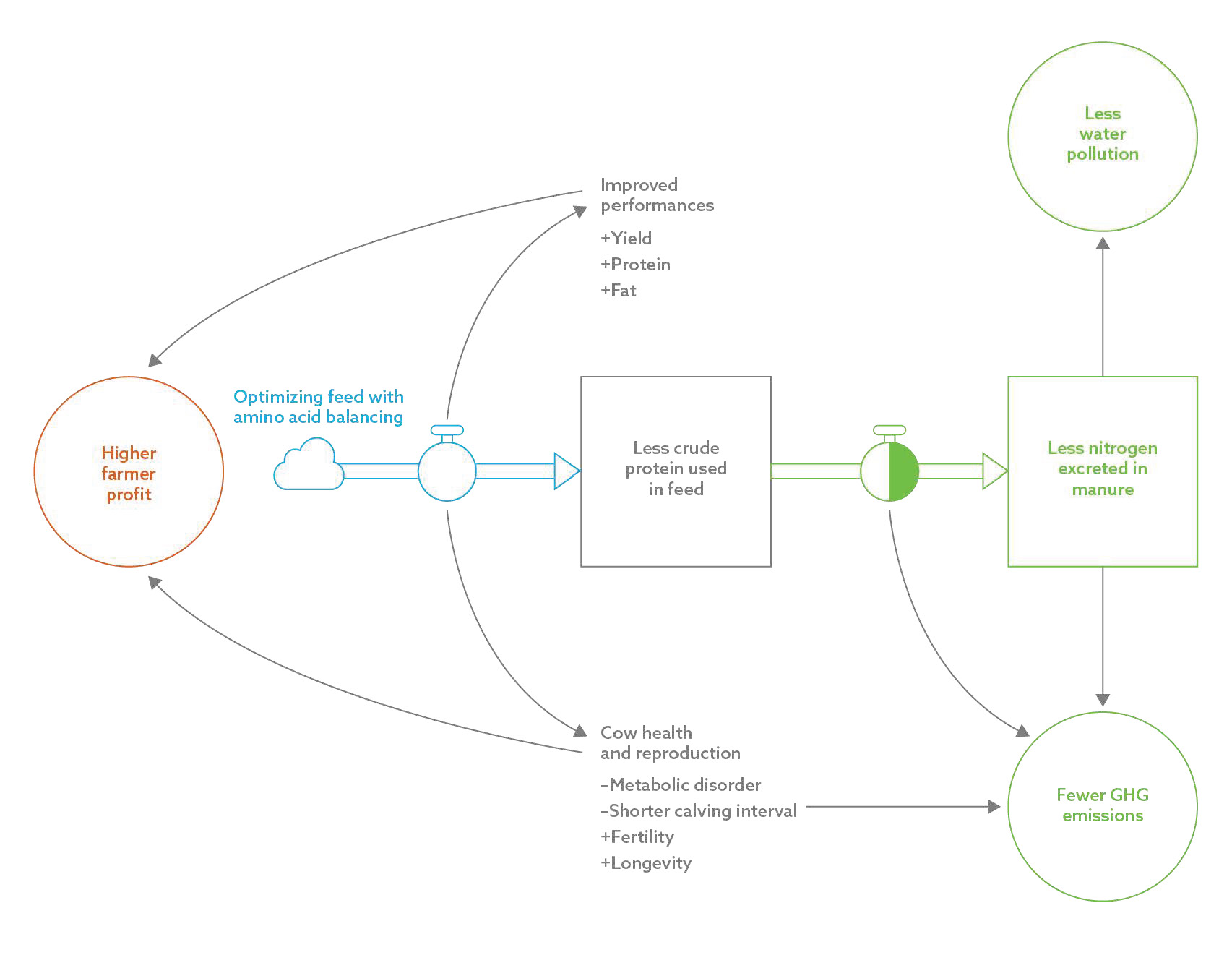
In the next section we explore how precision formulation of amino acids in dairy feed cuts costs and emissions while improving animal welfare.
Precision Feeding: How Amino Acid Balancing in Dairy Drives Impact
In modern dairy production, efficiency is no longer defined only by the amount of milk a cow produces, but also by how effectively nutrients are converted, how healthy the cow remains, and how small the environmental impact is.
Yet, many nutritionists are still optimising diets according to the crude protein content, which can oversupply nitrogen and increase manure-related emissions, and decrease farms profitability.
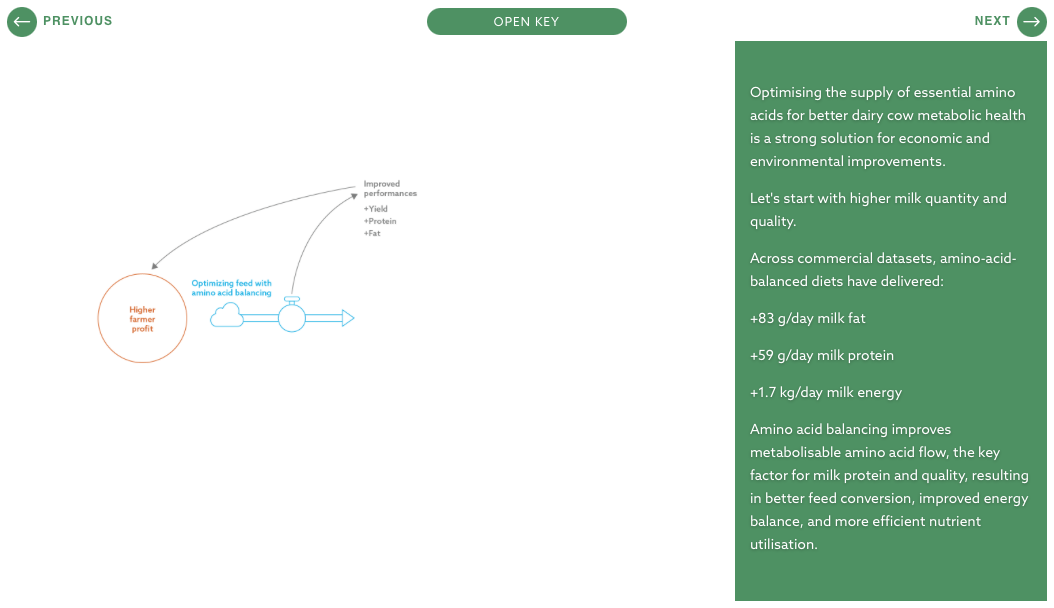
A new approach is precision amino acid balancing. Rather than feeding excess crude protein 'just in case,' nutritionists now can fine-tune the exact profile and supply of essential amino acids, matching them precisely to the cow’s metabolic needs and the milk components desired.
Adisseo is at the forefront of this shift, demonstrating how better feed composition, supported by advanced research, performance modelling, and on-farm validation, can deliver valuable benefits.

efficiency is no longer defined only by the amount of milk a cow produces.
System Map
Feed Efficiency:
Precision Feeding for better outcomes
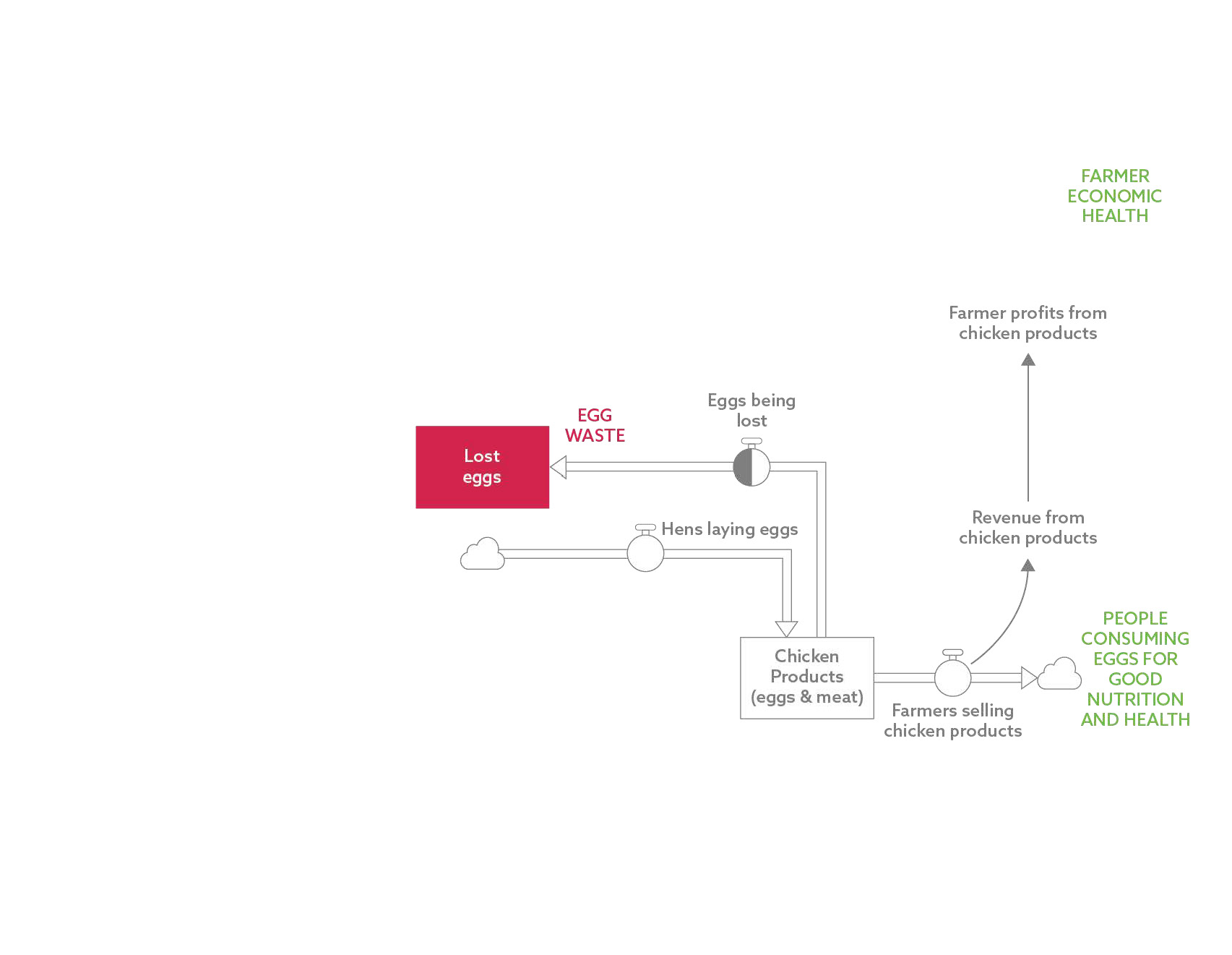
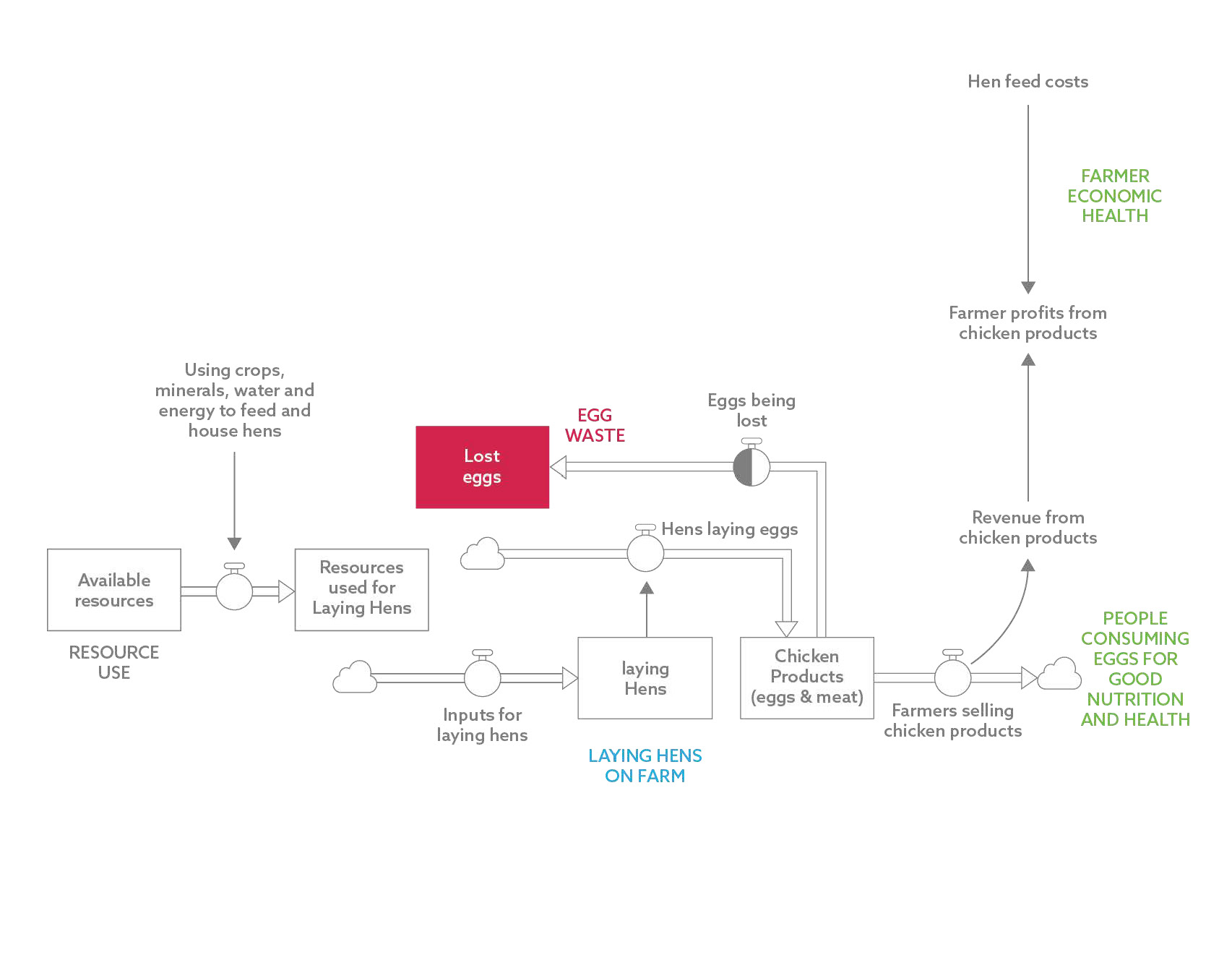
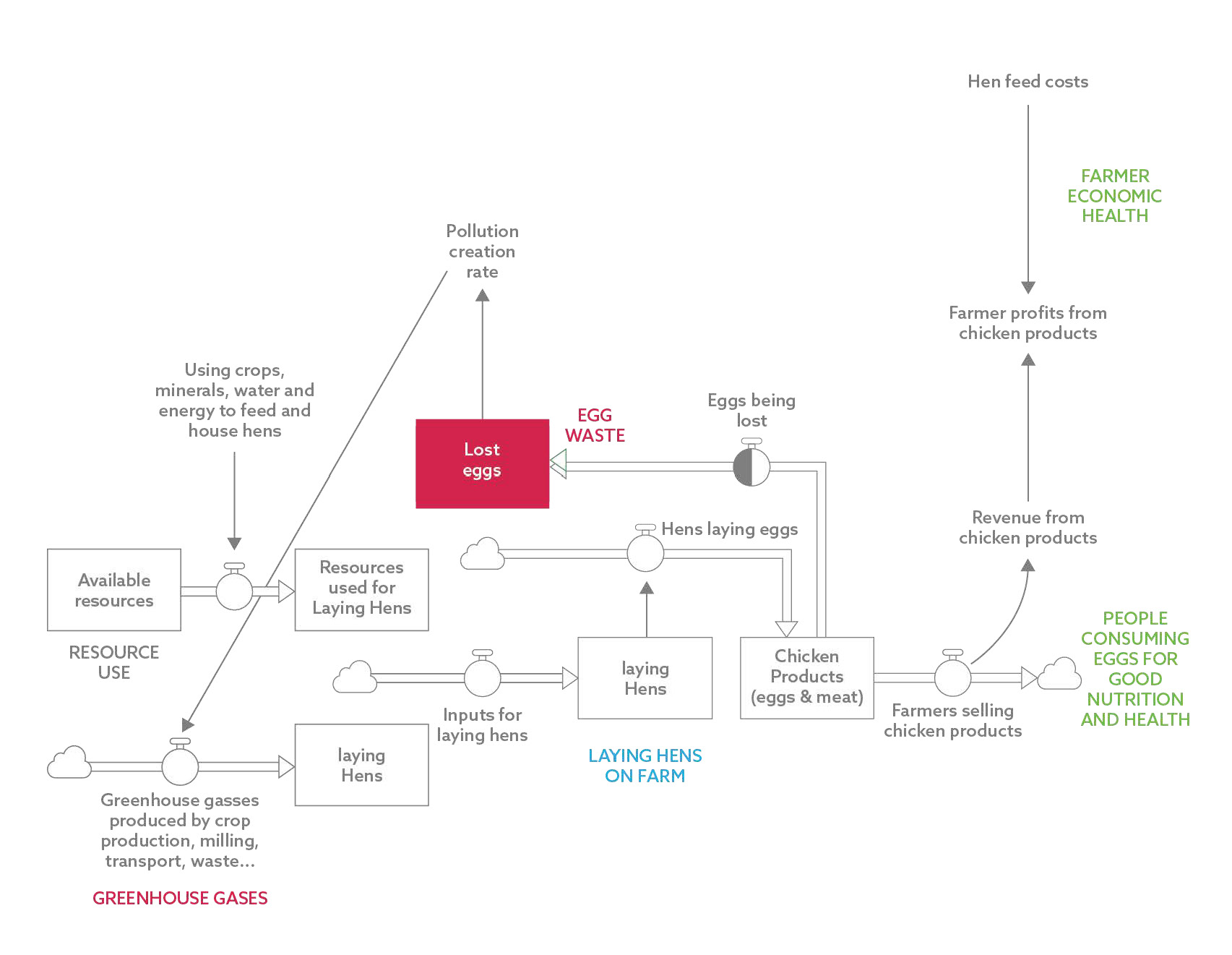
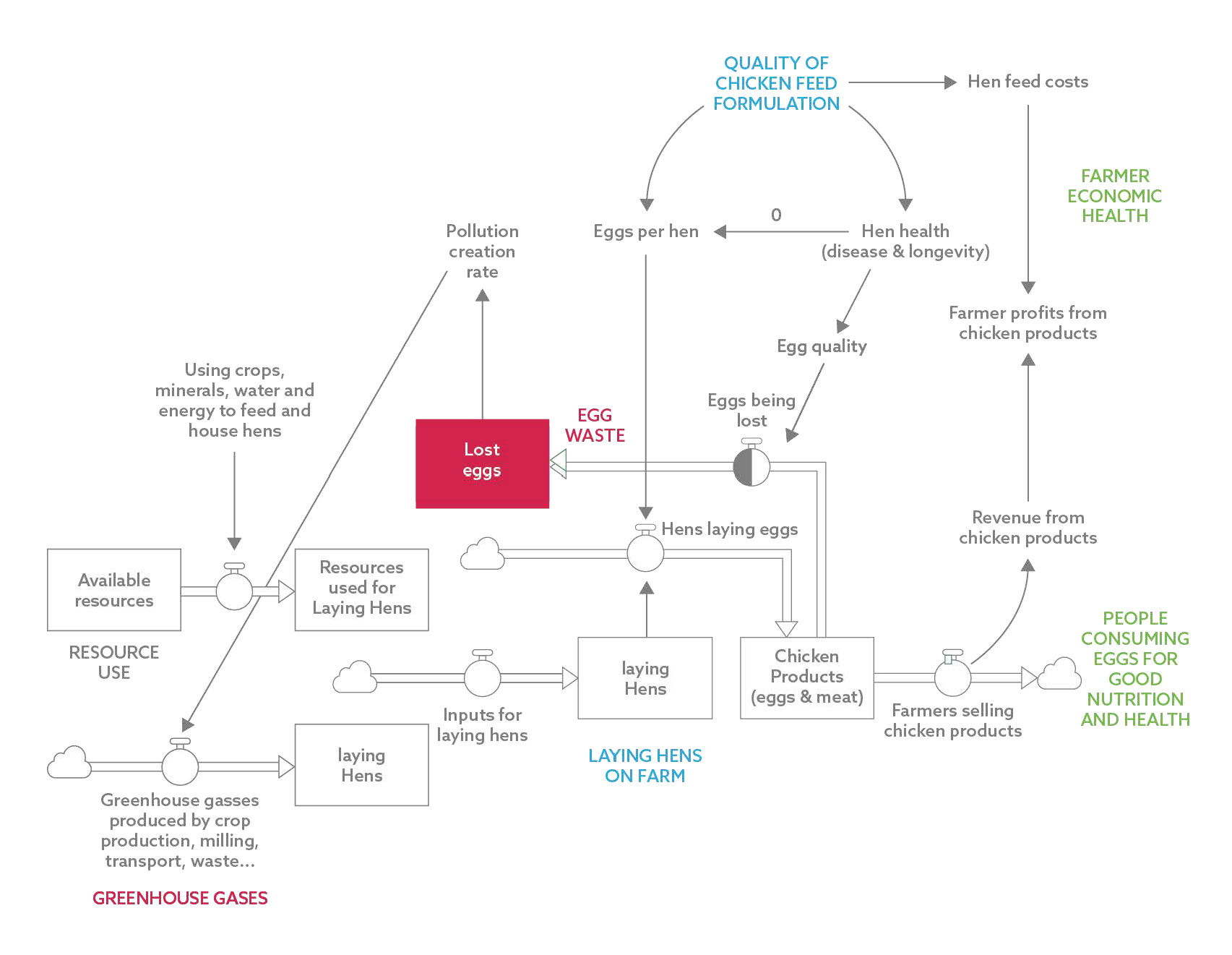
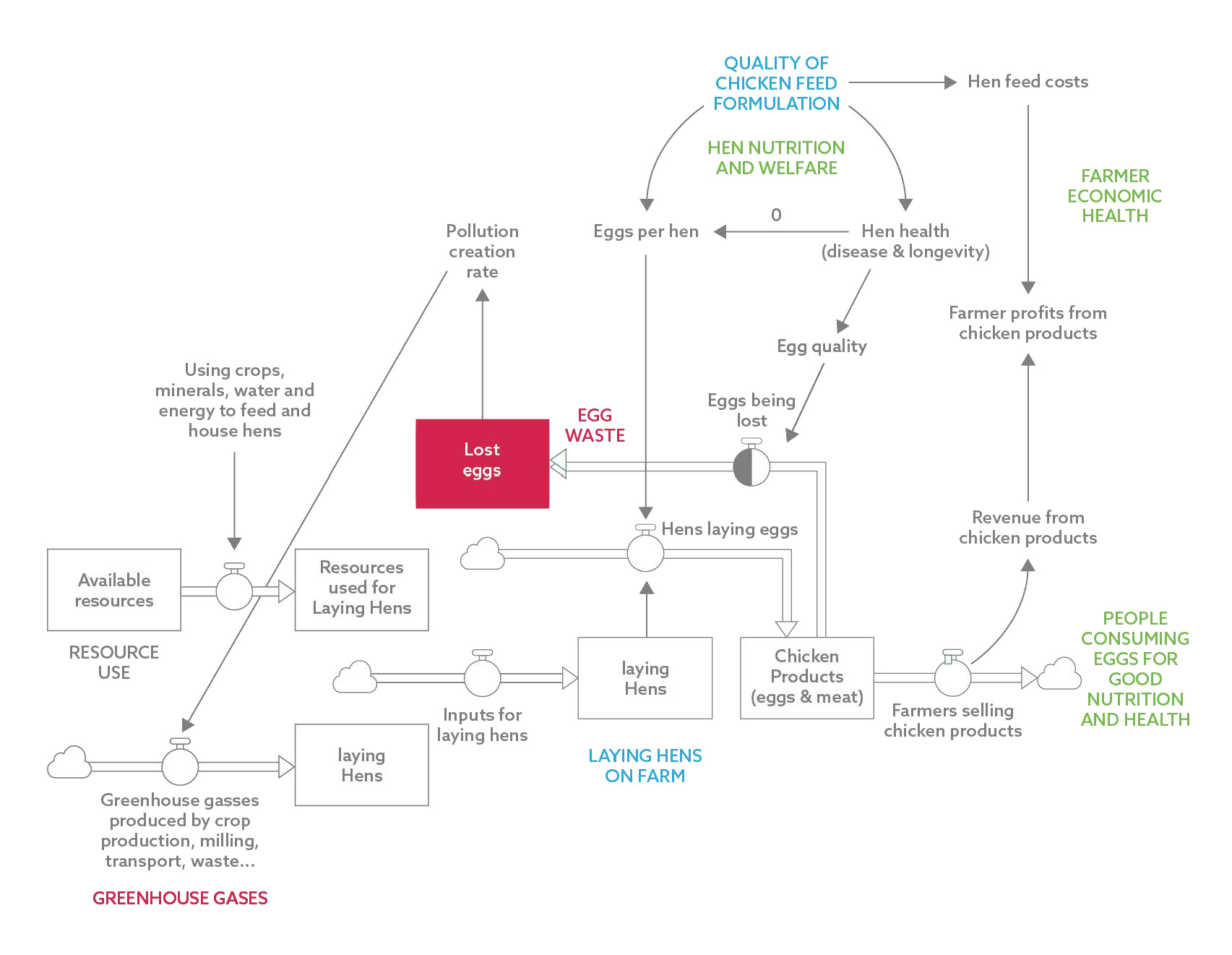
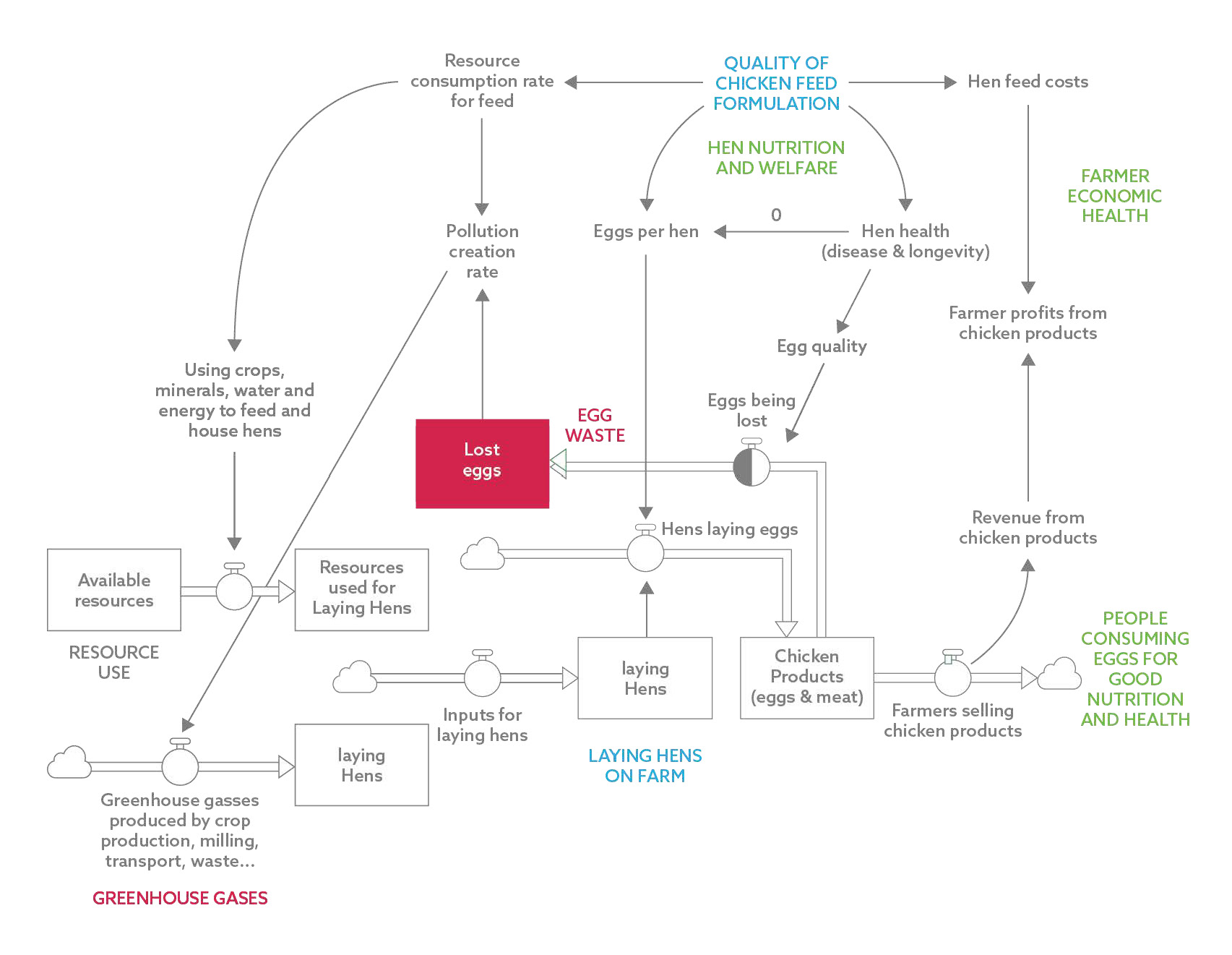
USING NUTRITION TO REDUCE EGG LOSS
Formulating feed with alternative ingredients has been one of the most powerful levers for efficiency. For example, over the last decade, innovations in feed enzymes have driven a 75% reduction in inorganic phosphate use, mainly through the adoption of phytase enzymes.
These enzymes increase the bioavailability of phosphorus contained in feed, allowing animals to digest and use more of the nutrients.
This cuts feed production costs, dependence on limited phosphate rock and the fossil fuels needed to mine it, and it reduces phosphorus leaching into waterways, which harms aquatic and soil-based ecosystems.
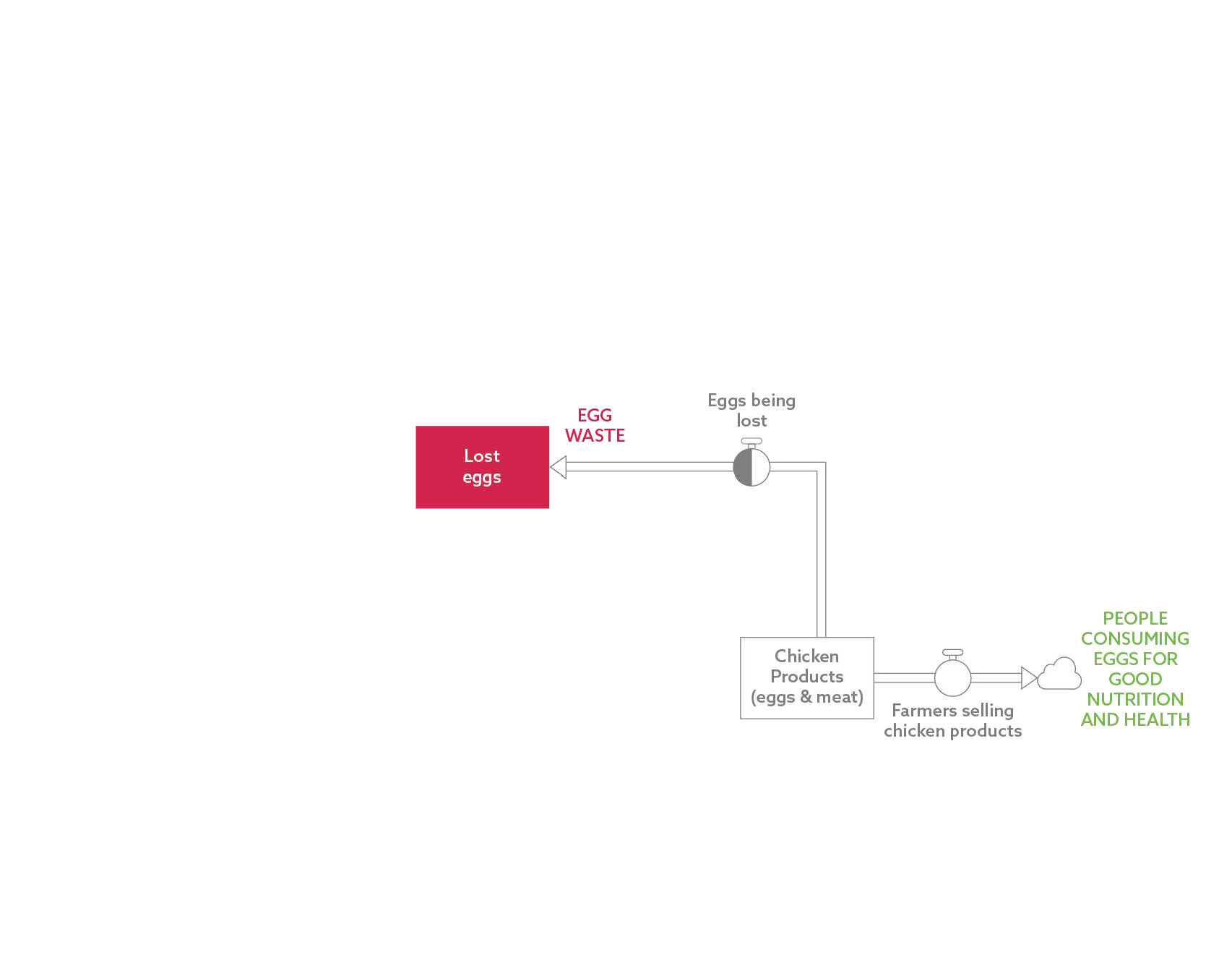
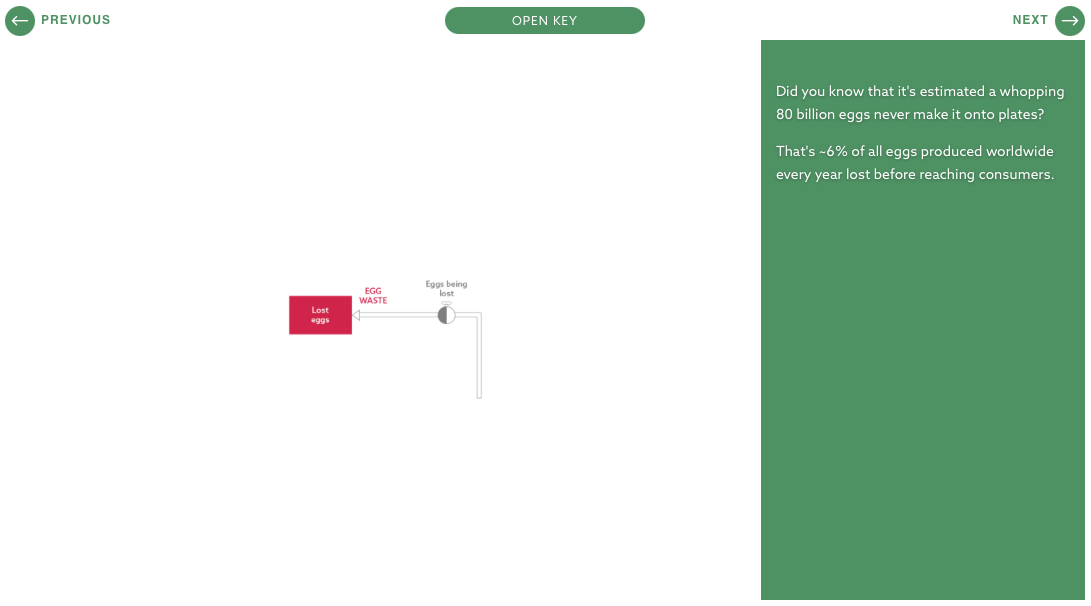
See our system map: Using Nutrition to Reduce Egg Losses below for further insights.
One Balanced Amino Acid at a Time
Ultimately, it enables farmers to produce more milk with fewer resources, maintain good animal health, reduce emissions, and strengthen profitability through more precise nutrient use.
It highlights the best of feed-industry innovation, science-based, practical, scalable, and opens new pathways for a resilient, climate-smart dairy sector.
See our system map: Using Nutrition to Reduce Egg Losses below for further insights.
Amino acid balancing in ruminants is a commercially proven, globally scalable practice that fits smoothly into existing feed formulation systems. Its adoption is rapidly expanding across Europe, China, North America, and South America, regions where high production intensity and large cattle populations make nutrient efficiency and productivity essential.
The approach works across diverse production systems and supports circularity by enabling greater use of local by-products and co-products.
The development and validation of this nutritional approach is based on collaboration among feed industry experts, academic researchers, and sustainability experts. Ongoing research, data sharing, and field trials continue to demonstrate measurable nutritional, environmental, and economic benefits, supporting the wider adoption of amino acid balancing in dairy.
System Map
Feed Efficiency:
Using Nutrition to Reduce Egg Losses




METHANE REDUCTION THROUGH NUTRITION
Feed additives are a fast-evolving frontier in improving feed efficiency and reducing climate impact. Some of these improve nutrient absorption, gut health, and immune function, further enhancing efficiency from every kilogram of feed.
A challenge is that farmers may struggle to justify the costs of some feed additives.
of IFIF 2025 stakeholder survey respondents see cost increases as the highest barrier to sustainability
Shared Public-Private Mandate
In Denmark, Arla Foods mandated the use of a methane reducing specialty feed ingredient in its supplier dairies with over 50 cows. This additive can reduce enteric methane emissions up to 30% without affecting performance.
At the same time, the Danish government offered price support to cover the additional costs for farmers. Farmers contributed the day-to-day management of a new practice.
Arla Foods claims the carbon footprint reduction, and the government advances its targets. Because agriculture accounts for about one-third of Denmark’s greenhouse-gas emissions and over half of the land is used for farming, this policy is part of the nation’s goal to reduce emissions by 70% by 2030 relative to 1990 levels.
INTEGRATED FARM MANAGEMENT
Digital transformation is reshaping animal production systems. The use of production sensors, automated weighing, and on-farm digital platforms has skyrocketed. Global adoption of precision animal farming technologies is expected to reach $6 billion by 2030, growing at an annual rate of over 10%.
Digital tools for improved farm management aren't limited to Western, industrialised, or even land-based farming systems. For example, smallholder aquaculture farmers in India now have access to precision feeding, real-time pond monitoring, and tailored advice.
These tools help simplify operations and reduce risk for smallholders, enabling them to manage feed, water quality, and health more efficiently.
The next section provides insight into how integrated technology is reshaping decision making.
How Integrated Technology is Reshaping Decision Making
Across the animal production systems producers face a growing challenge: raising healthy, productive animals while improving efficiency, profitability, and sustainability in an increasingly resource-constrained world.
Yet many farms, and entire value chains, still rely on fragmented data, manual workflows, and siloed decisions that limit performance. Feed waste, inconsistent bunk management, poor visibility into cattle health, and unclear grazing strategies all cause inefficiencies that ripple throughout the entire system.
What producers need isn't just another tool, but integration of existing tools and operations. A way to see the entire operation clearly, coordinate decisions smoothly. When data flows across the production cycle, producers gain the clarity needed to operate more efficiently, profitably, and sustainably.

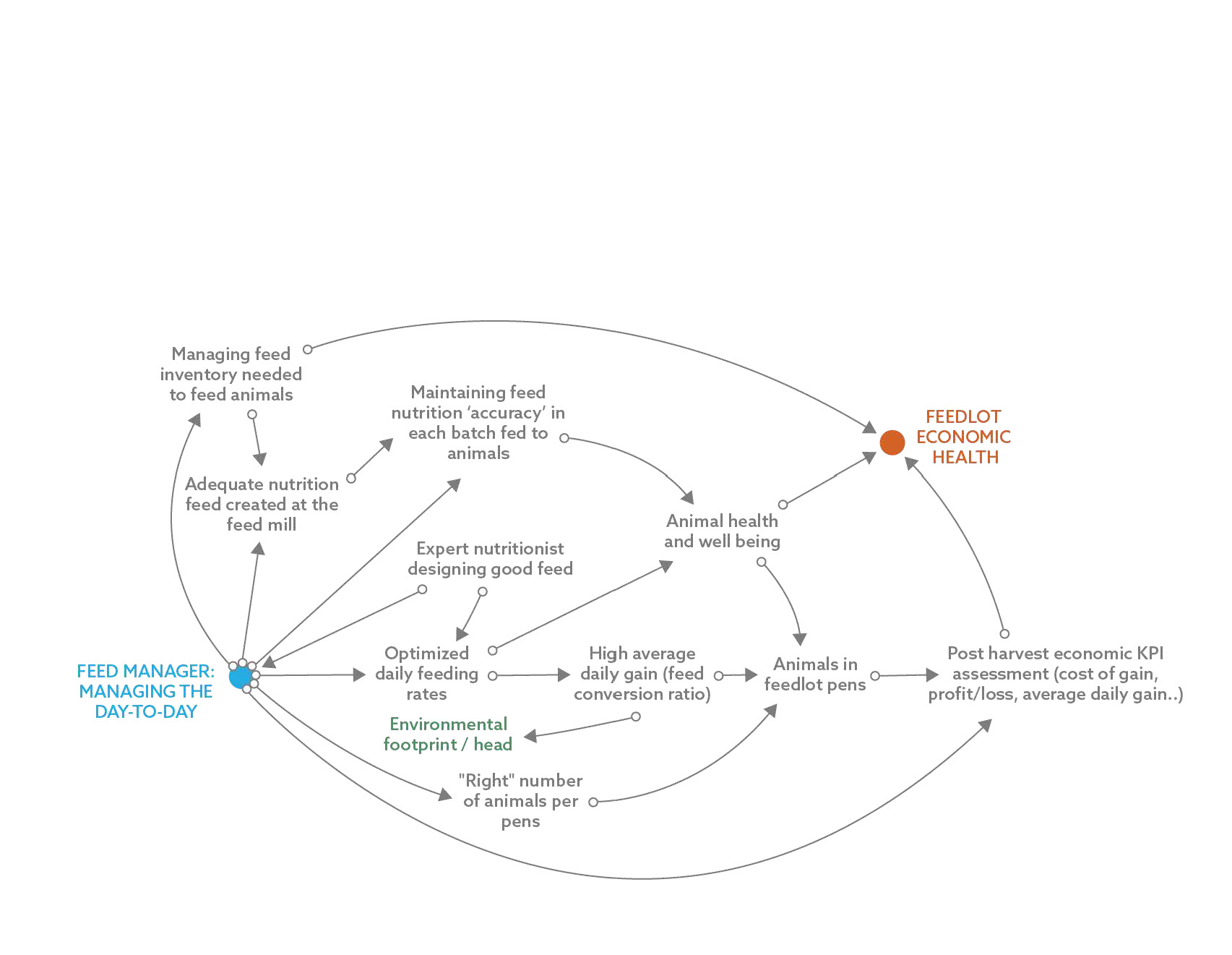
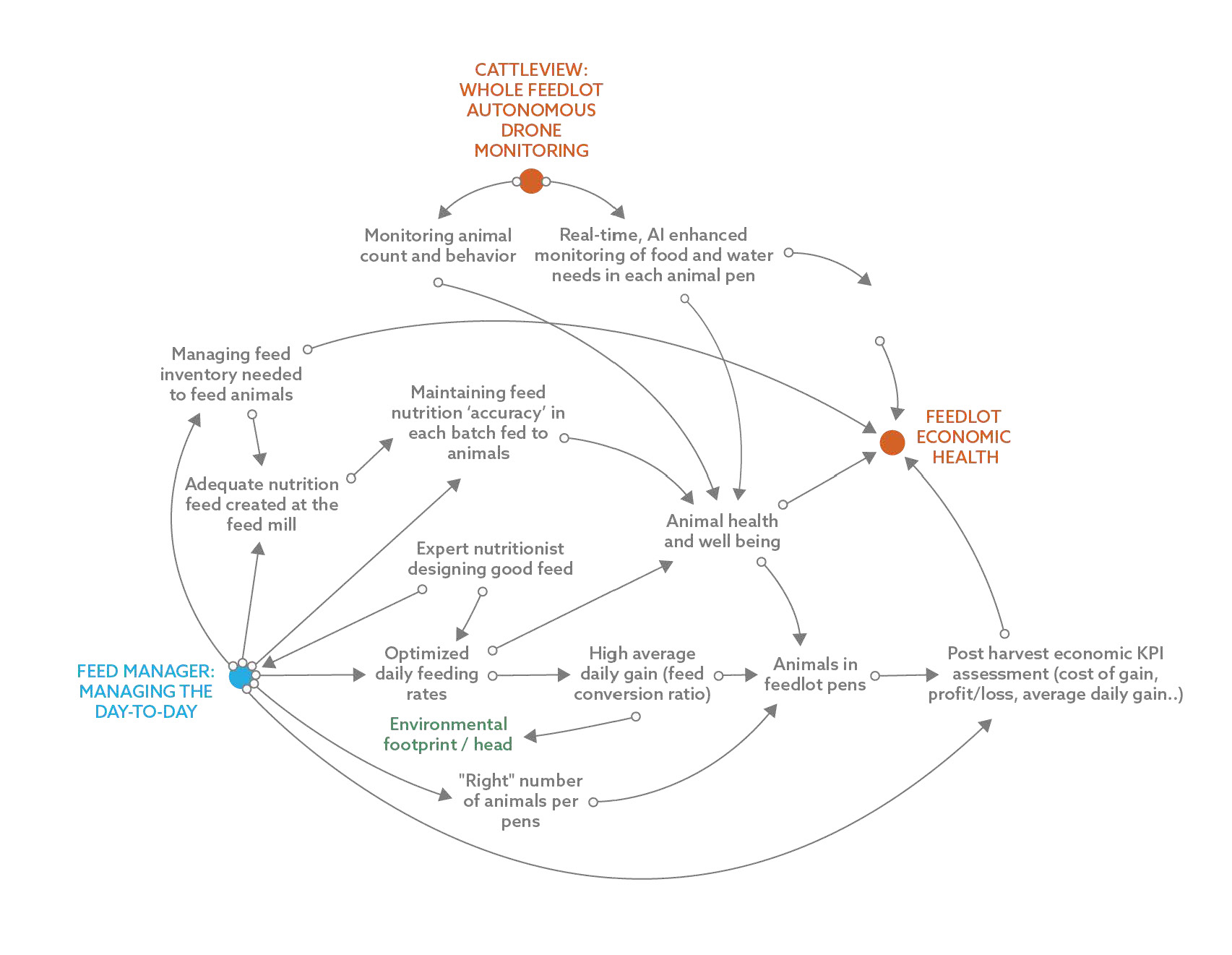
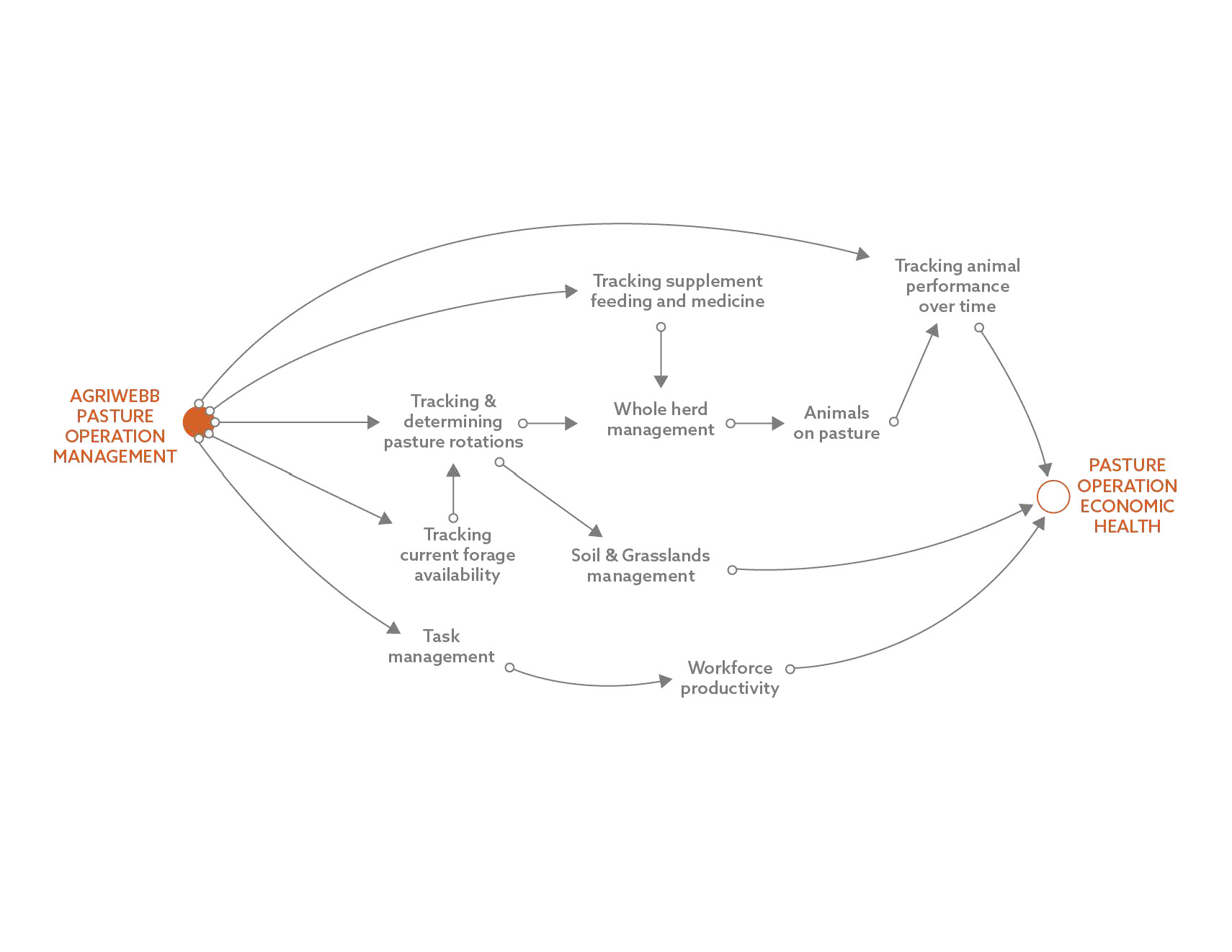
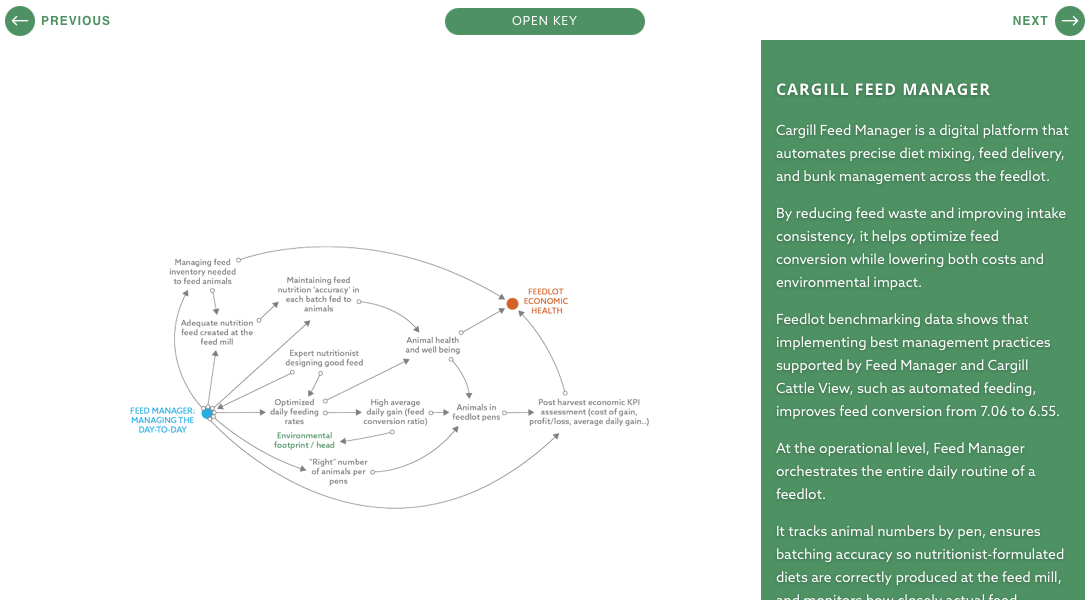
As an example of this is Cargill’s ProBeef Digital. It combines four complementary technologies (FeedManager, AgriWebb, Cargill CattleView and beef MAX™), designed to work together seamlessly. Together, these tools form an integrated platform that unites nutrition, animal health insights, operational data, and sustainability metrics into a single decision-support system.
System Map
Feed Efficiency:
Integrated Farm Management
Why Integration Matters
The future of beef production depends on the ability to manage resources wisely, raise healthy and productive animals, and deliver measurable sustainability outcomes. Stand-alone tools are no longer enough. Producers need technologies that work together.
Integrated systems create value by allowing producers and their nutrition consultants to turn data into insights and connect decisions, such as aligning nutrient strategies with real-time feed delivery or linking pasture performance data with herd-level insights. These tools are already deployed across leading feedlots and pasture operations globally, with strong adoption in Latin America.
This technology system is strengthened through partnerships with UC Davis, EMBRAPA, technology innovators, and market developers, ensuring scientific rigour and alignment with emerging sustainability signals. Integration allows producers to make smarter decisions, reduce waste, and improve both economic and environmental performance.
Thoughtful digital transformation, applied across the entire operation, helps the beef sector meet rising expectations while building a more resilient, profitable, and sustainable future.
Feed for thought
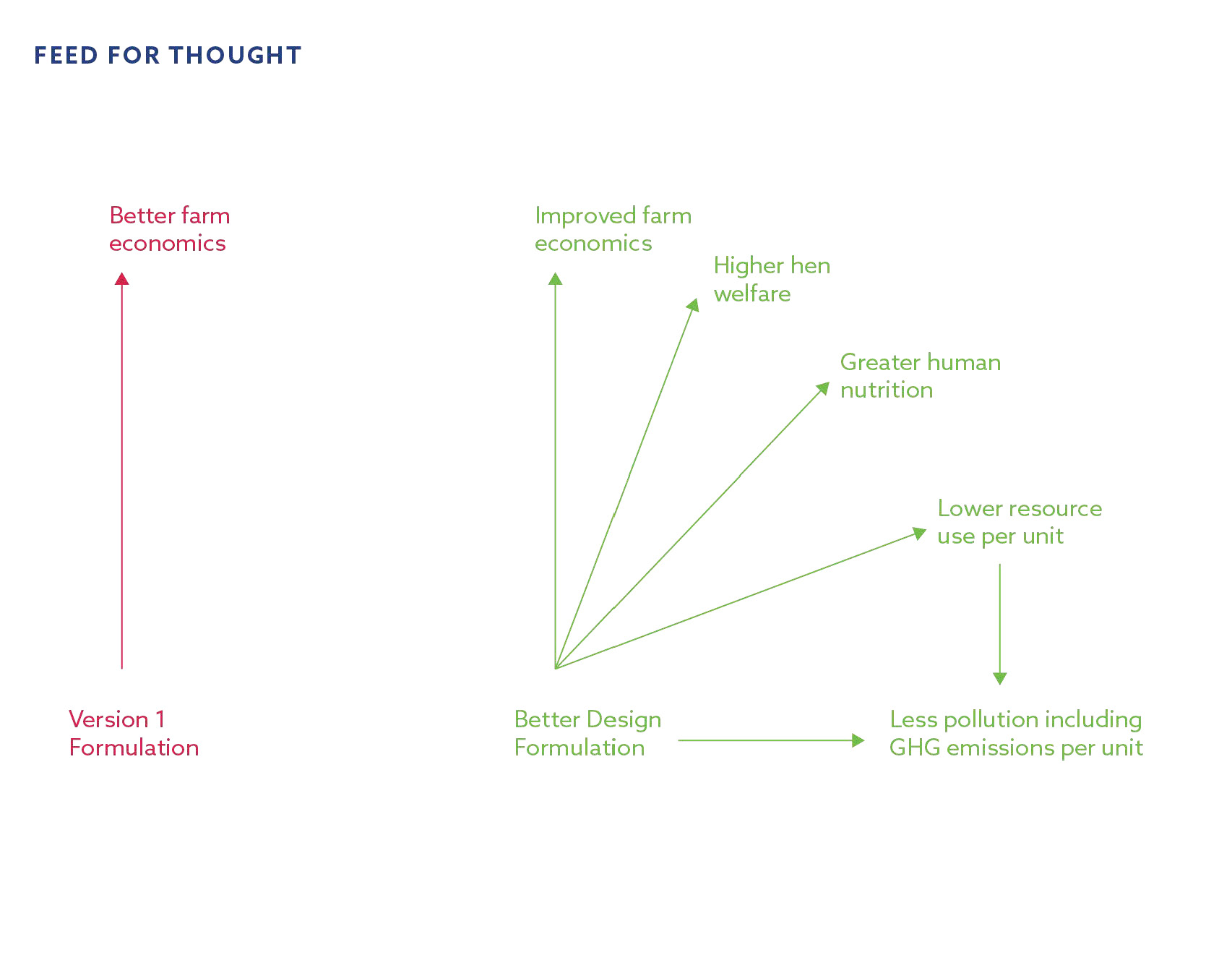
Feed efficiency improvements levers are strong choices because they have a clear, standard business case with the potential to improve multiple economic, environmental and social health metrics.
By combining data-driven management, smarter feed design, precise delivery, and innovative specialty feed ingredients, the feed industry continues to push the boundaries of what’s possible, doing more with less while supporting farmers, the planet, and global food security and safety.
The challenge with all efficiency levers, however, is that they can never actually overcome finite resource limitations. Efficiency gains also often lead to faster resource use because they enable larger, more efficient operations.
But as we consume resources faster than they can be replenished (think of how much rain is needed to replenish a lake), resource costs go up, often significantly. This is a common ‘vicious circle’ in many systems.
It's critical to pair efficiency with more transformational solutions like circularity, which decouples growth from resource extraction!